St Cuthberts Mill Paper
Call or email:
+44 (0)1749 672015
sales@stcuthbertsmill.com
St Cuthberts Mill Paper
Watercolour
Printmaking
Digital Fine Art
|
|||
|




How to Look After Paper: Common Issues with Storage and Handling
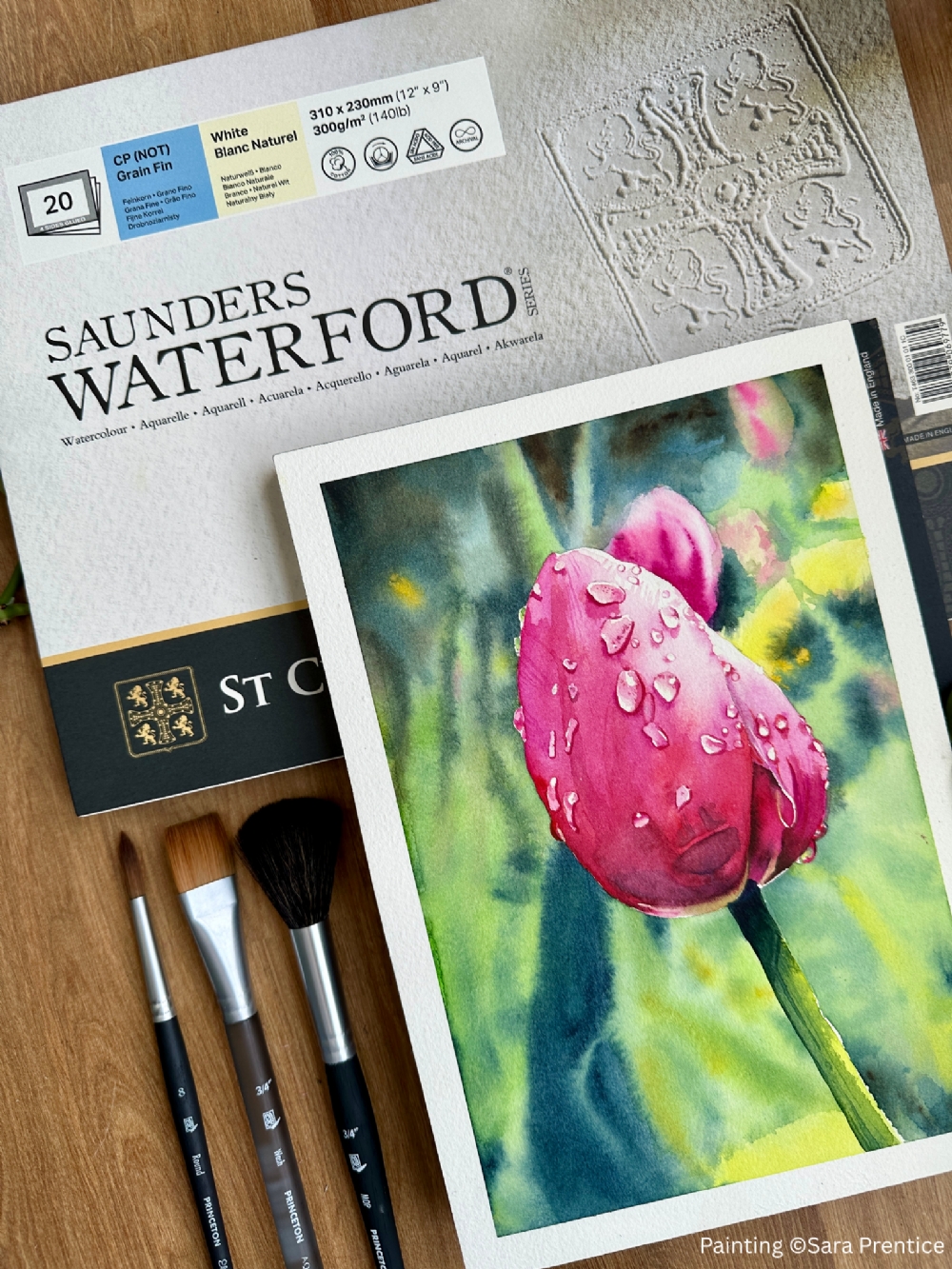
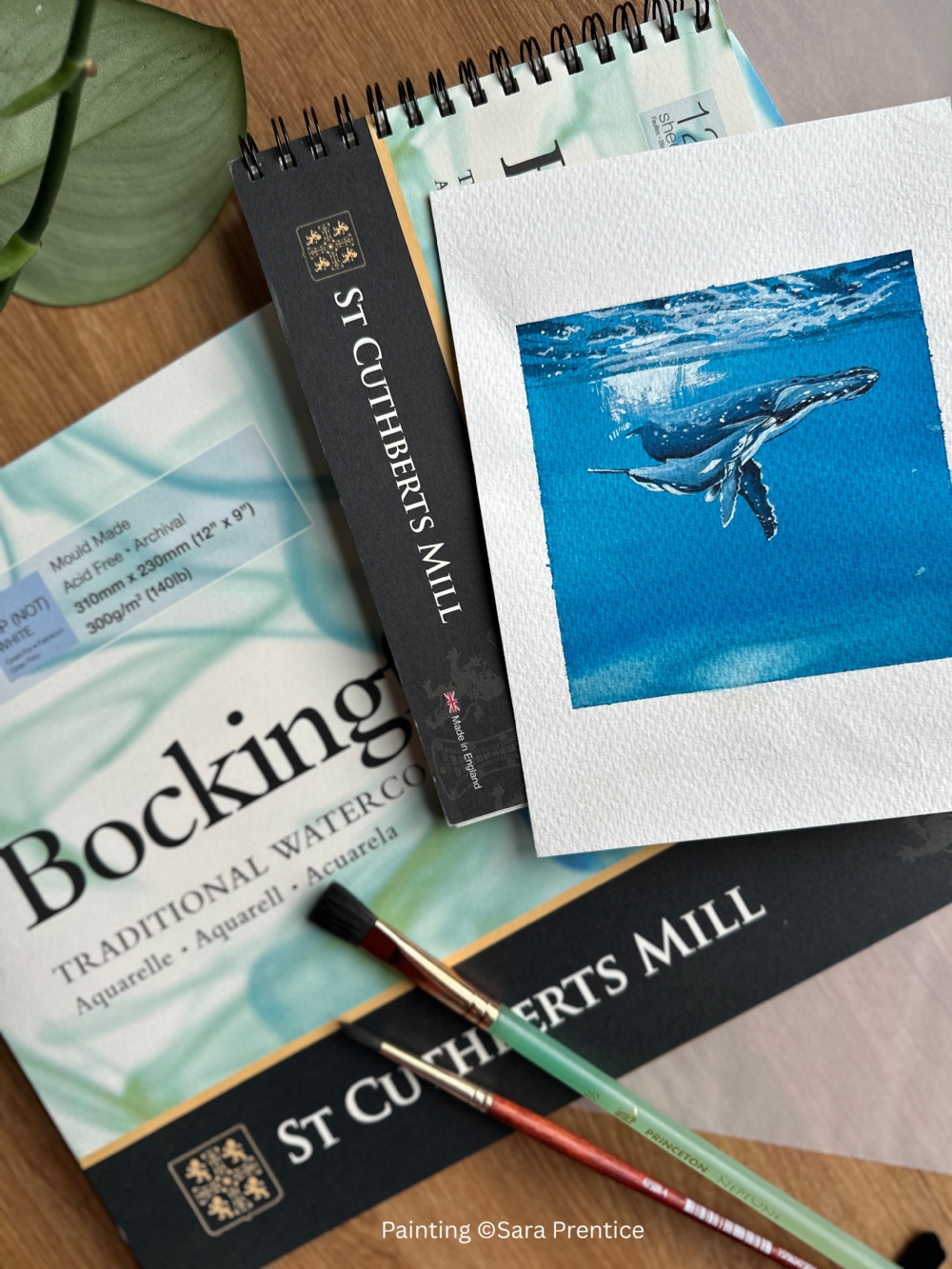
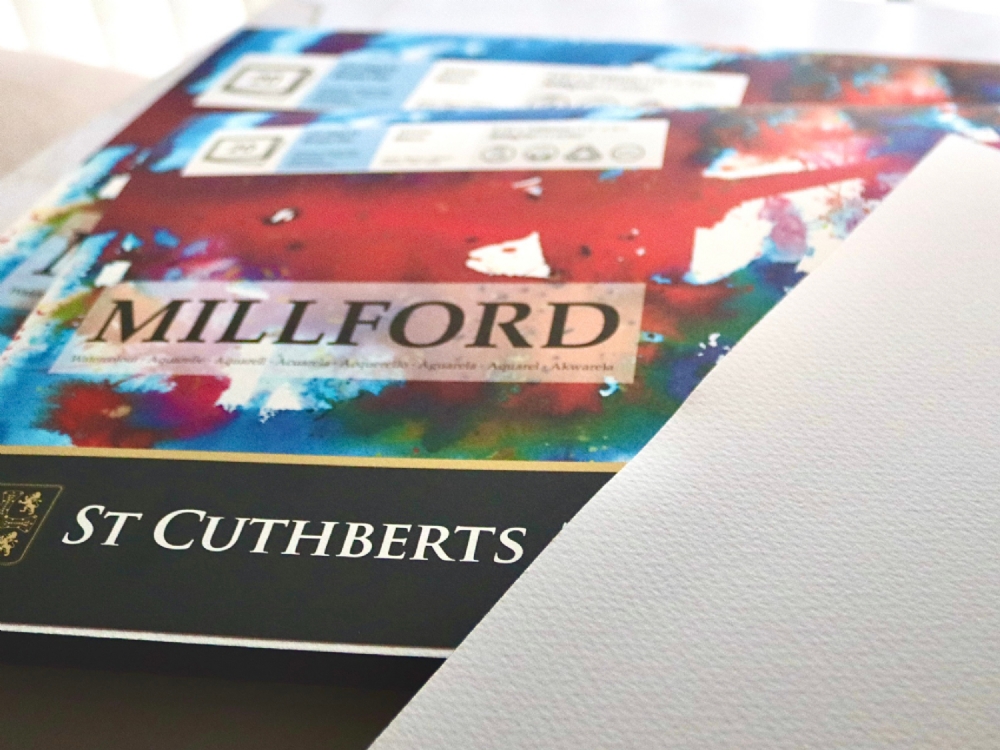
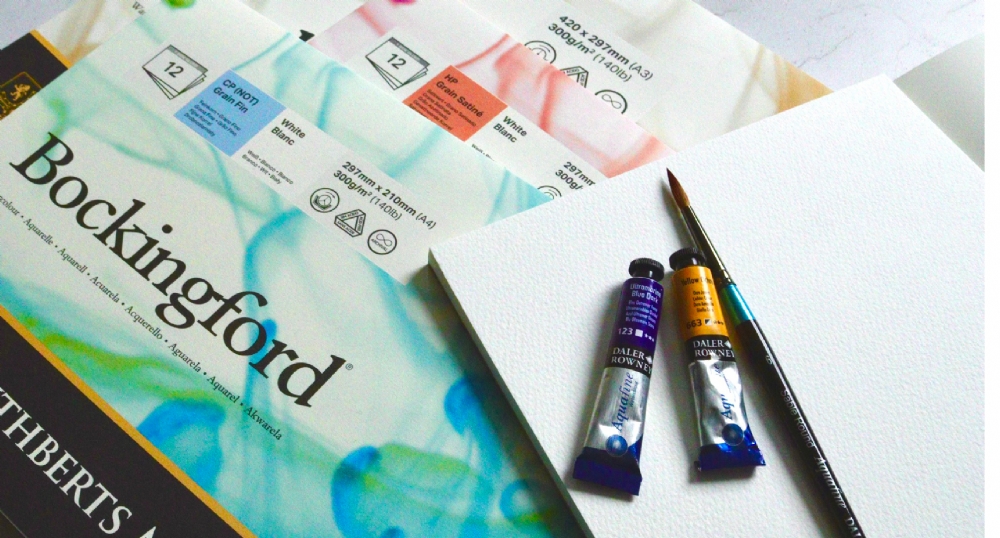
High-quality watercolour paper is designed to last for generations, but even archival sheets need careful handling and storage to perform at their best. From protecting absorbency to avoiding physical damage, a few simple precautions will ensure your paper maintains its painting performance. This advice applies to all fine papers, including our Saunders Waterford®, Bockingford®, and Millford ranges.
Keep it in its original packaging
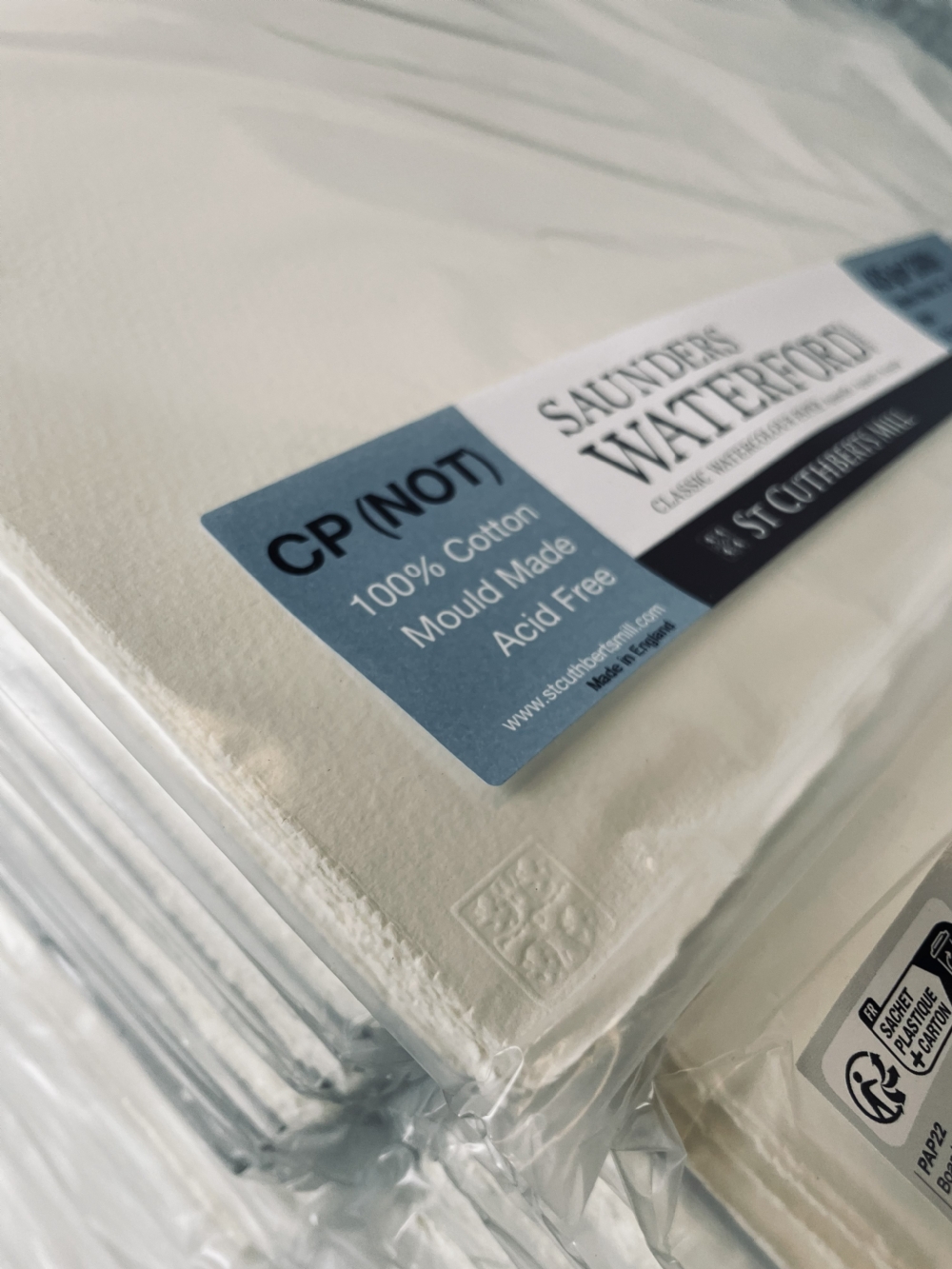
Storing your paper in its original packaging is the simplest way to protect it. Pads, blocks, and sheets are packaged to shield against dust, dirt, and physical damage, and keeping them wrapped helps prevent exposure to light and environmental contaminants. All the packaging supplied by St Cuthberts Mill has been tested to ensure there is nothing that can be detrimental to the paper inside, from the printing of the pad covers to the adhesives from the labelling.
Store flat and handle carefully
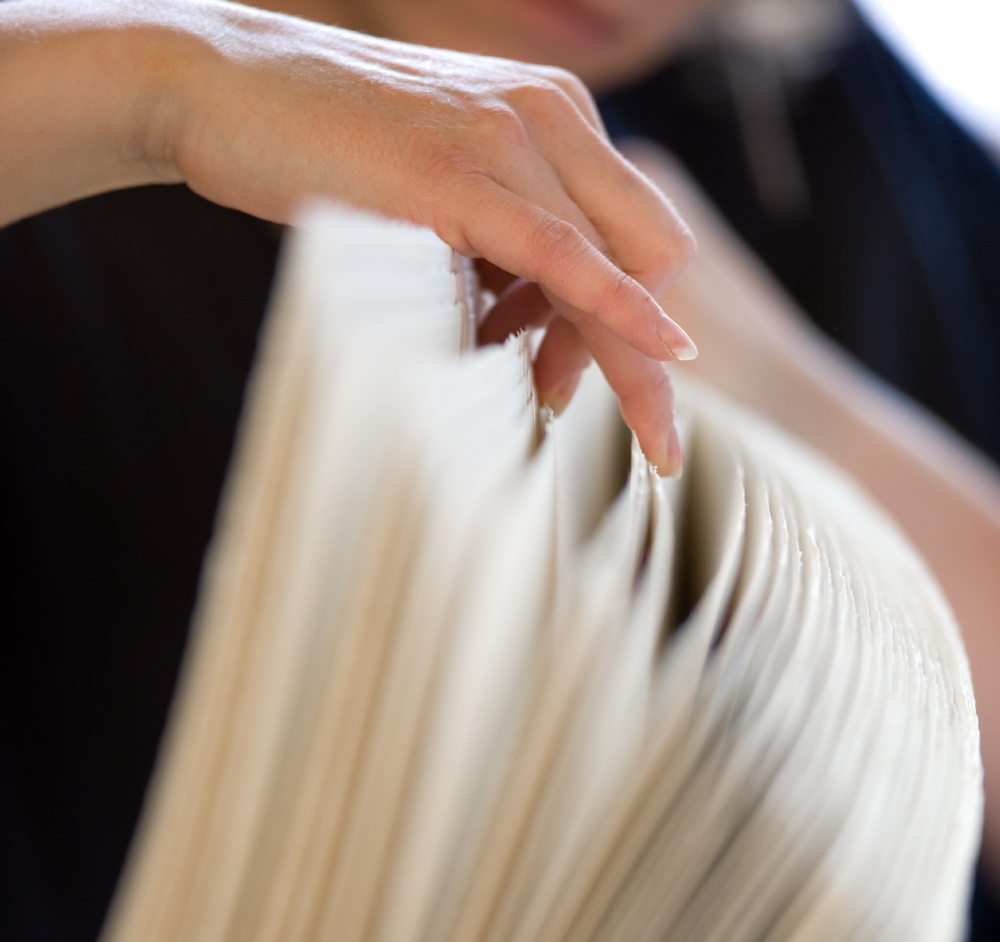
Always store sheets flat rather than upright, and avoid stacking heavy objects on top. When handling paper, touch only the edges to prevent fingerprints and natural oils from marking the surface. Fingerprints can not only be visually distracting but also interfere with paint application, particularly on gelatine sized papers like Saunders Waterford®, where the gelatine layer is soft and easily marked when wet.
Protect from sunlight
Direct sunlight can deteriorate the sizing in watercolour papers. Sizing controls how absorbent a sheet is, allowing paint to sit on the surface and blend predictably. When sizing breaks down due to UV exposure, the paper becomes overly absorbent, making washes harder to control and reducing overall performance. Store sheets away from direct sunlight, in their packaging, to preserve their functionality.
Avoid extremes of heat and humidity
Rapid or prolonged changes in temperature and humidity can be detrimental to a paper’s absorbency. Aim to store paper in a stable environment, away from radiators or heaters. Damp environments can also be problematic, causing paper to buckle or even attract mould spots, which breaks the sizing leaving circular absorbent areas.
Keep paper clean
Avoid exposing sheets to airborne contaminants, dust, smoke, or chemical fumes, as these can settle on the surface and interfere with painting. Similarly, avoid storing paper near acidic materials like some cardboard or newspapers, which can transfer acids and affect archival quality over time. Similarly, using archival quality framing materials will protect the paper's archival qualities
Mind detergents, soaps, and contaminants
Soaking or stretching paper can reverse the effects of sizing if it comes into contact with detergents or soaps. This can easily happen when soaking papers in a bath or sink. Always ensure your hands are clean and free from residues before touching the surface, and avoid introducing any chemicals that could compromise performance.
Don’t leave masking fluid on too long
While masking fluid/drawing gum is a helpful tool, leaving it on the paper for too long can damage fibres and cause tearing. Saunders Waterford® is excellent for masking fluid use, and Bockingford® is a good choice too. Be wary of advice suggesting using soap to protect your brush from the masking fluid, whilst the bristles of your brush may benefit from the protection of the soap, unfortunately, your watercolour paper will suffer, with the soap breaking down the sizing in the sheet and causing it to be too absorbent.
Use within a reasonable timeframe
Archival papers are designed to last for generations once painted. However, over extended periods, a paper’s absorbency can gradually decrease, affecting how paint interacts with the surface. Using sheets within a reasonable timeframe ensures the sizing and responsiveness remain at their peak, giving the best possible painting results.
Treat paper as a valuable tool
High quality paper is more than just a surface, it’s a trusted companion for every artist. By storing sheets carefully, handling them with clean hands, and keeping them away from damaging environmental factors, you’ll maintain both their beauty and performance. Taking these precautions ensures that when inspiration strikes, your paper is ready to support every wash, layer, and brush stroke.