St Cuthberts Mill Paper
Call or email:
+44 (0)1749 672015
sales@stcuthbertsmill.com
St Cuthberts Mill Paper
Watercolour
Printmaking
Digital Fine Art
|
|||
|




Benefits of Using a Less Absorbent Watercolour Paper
For many watercolour artists, paper is not just a surface; it is an active partner whilst creating the painting. Among the many variables that influence how paint behaves, the paper’s absorbency plays a large role. Hard-sized (less absorbent) papers can offer a set of advantages that can give artists greater control over the wet wash, better vibrancy, and potential for more expressive marks.
At St Cuthberts Mill, our Millford paper is designed to be less absorbent, offering a carefully balanced surface that supports both precision and spontaneity.
Can less absorbency give more time and control?
One of the most immediate benefits of a hard-sized watercolour paper is extended working time. Because the surface absorbs water more slowly, pigment remains active on the surface for longer, allowing artists to manipulate washes, soften edges, and develop subtle transitions without rushing.
This quality is favoured by artists working in fluid, expressive styles.
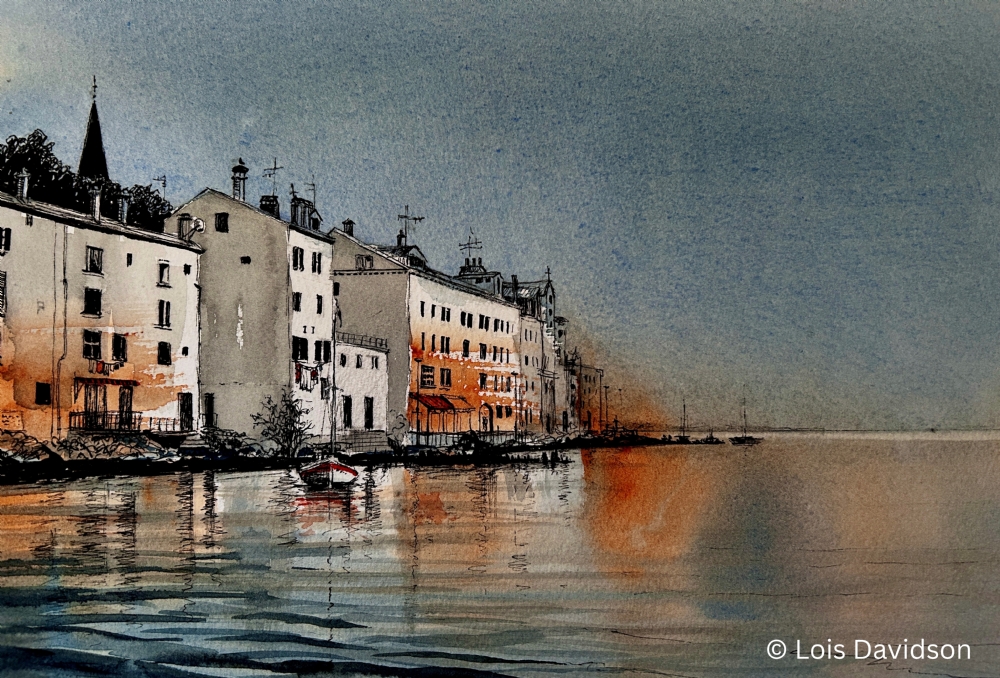
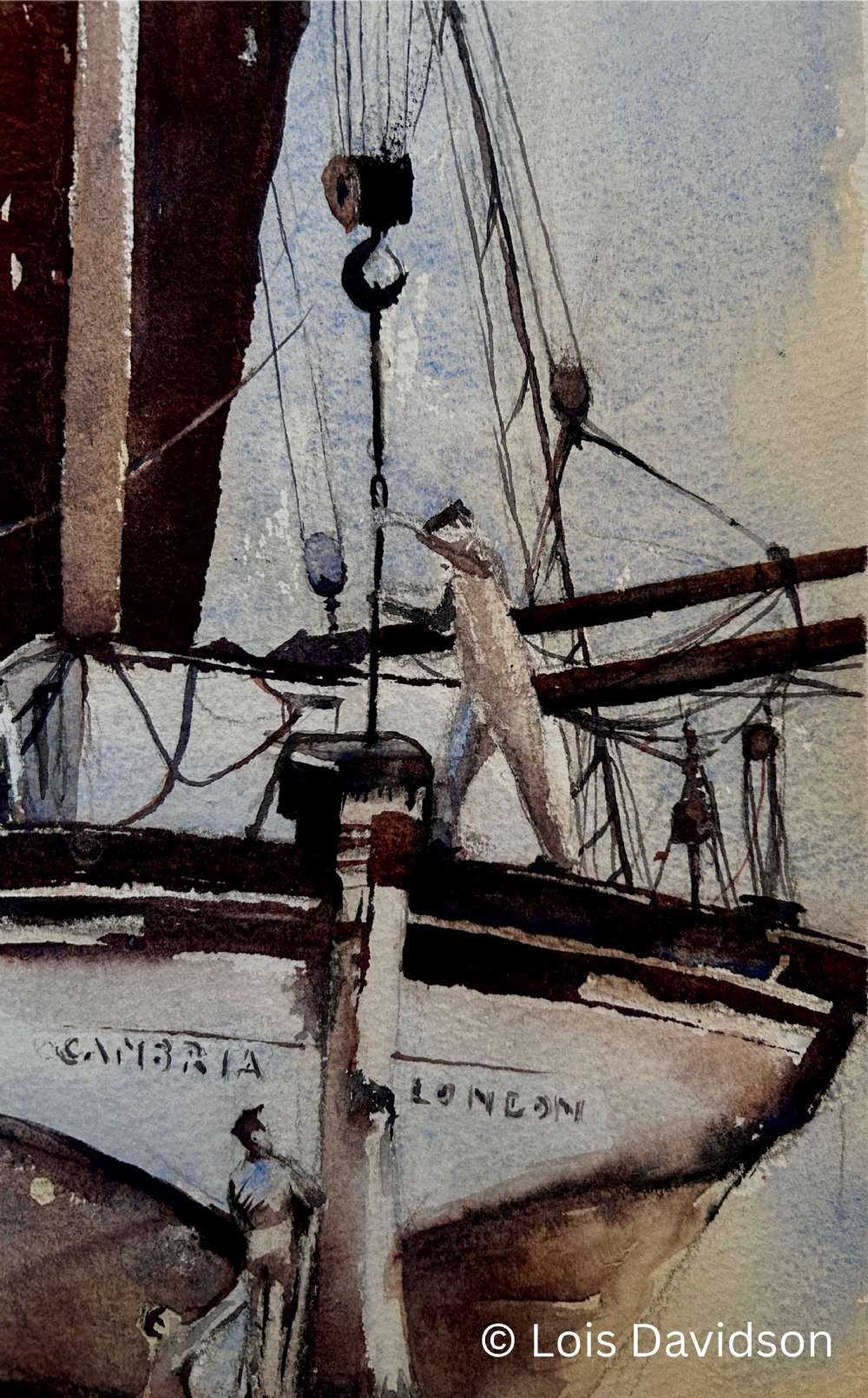
As artist Lois Davidson explains:
“I use a lot wet-in-wet techniques as the foundation for my paintings, and love the way Millford watercolour paper has been made to have a high resistance to water. This enables me to create a wide variety of different effects and textures with very simple brushwork, thus keeping the work fresh and expressive.”
Why are less absorbent papers able to offer brighter colours
Less absorbent papers can also contribute to brighter, more luminous washes. Because pigment sits closer to the surface rather than being immediately drawn into the fibres, colours retain their intensity and clarity.
This helps prevent one of the most common frustrations in watercolour: dull or muddy. Instead, layers remain distinct, and subtle variations in tone and hue are preserved.
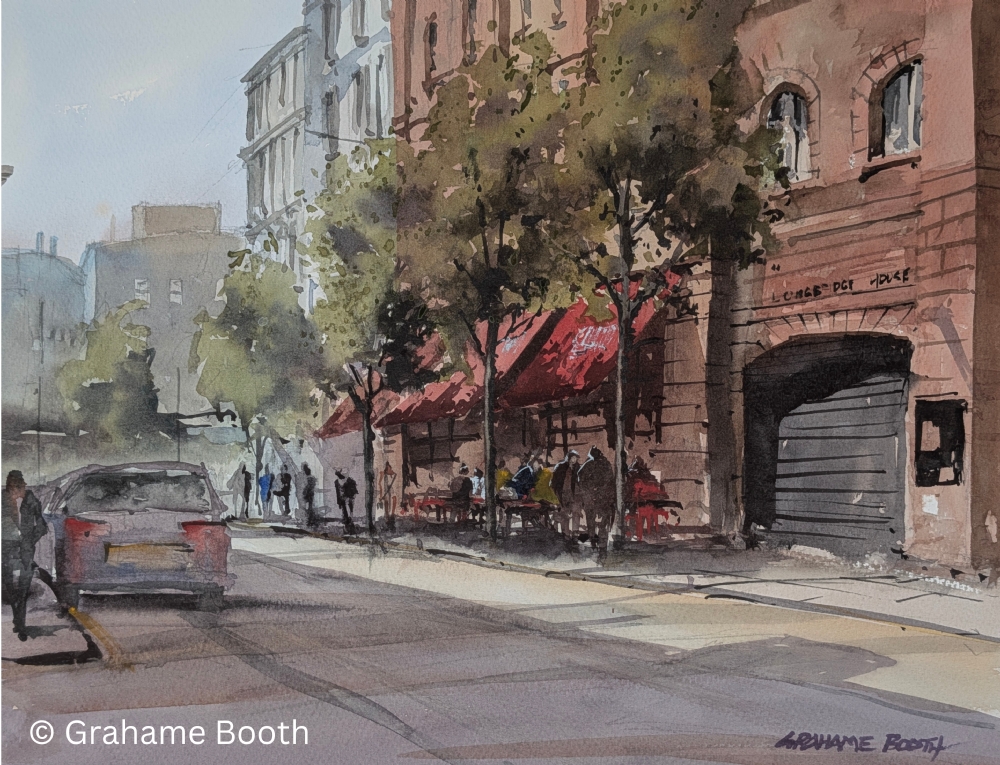
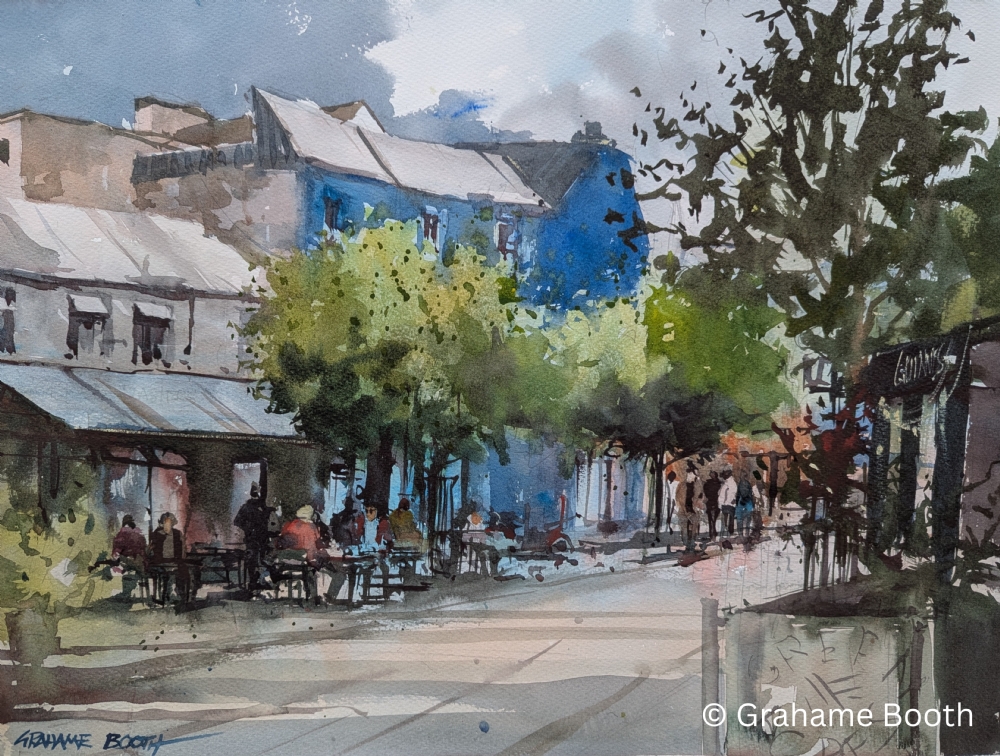
Grahame Booth highlights this delicate balance:
“I love the way washes blend and mix on Millford, presumably because it is less absorbent… This gives enough time for interesting blends to occur, and I often get some beautiful subtle separation of a mixed pigment wash, not as harsh as granulation, all without the paint being absorbed too quickly.”
Why is finding the right level of absorption in watercolour paper key?
Not all less-absorbent papers behave the same. Too little absorbency can make it difficult to achieve smooth, even washes, while overly soft papers can limit control. The most effective surfaces strike a careful balance.
As Grahame Booth puts it:
“Too little absorbency… can create its own problem… but for me, Millford has that sweet spot between too much and too little. Maybe it should have been called Goldilocks!”
This ‘sweet spot’ allows artists to enjoy the benefits of both worlds: controlled washes alongside expressive effects.
Millford offers repeated washes and excellent colour lifting
Millford can withstand repeated washes, plus it is formulated for excellent lifting of colour (including from dry paint), without breaking down. It also dries evenly across the sheet in a controlled manner.
For artists who build their paintings in layers or work experimentally, this resilience is essential.
Lois Davidson notes:
“I always feel confident when painting on Millford, as its ability to withstand multiple washes and lifting techniques without becoming muddy or damaged suits my loose, experimental style perfectly.”
Achieving textural effects and broken brushstrokes in watercolour
Hard-sized papers also interact uniquely with brushwork, often producing textural variation and broken marks that add interest to a painting.
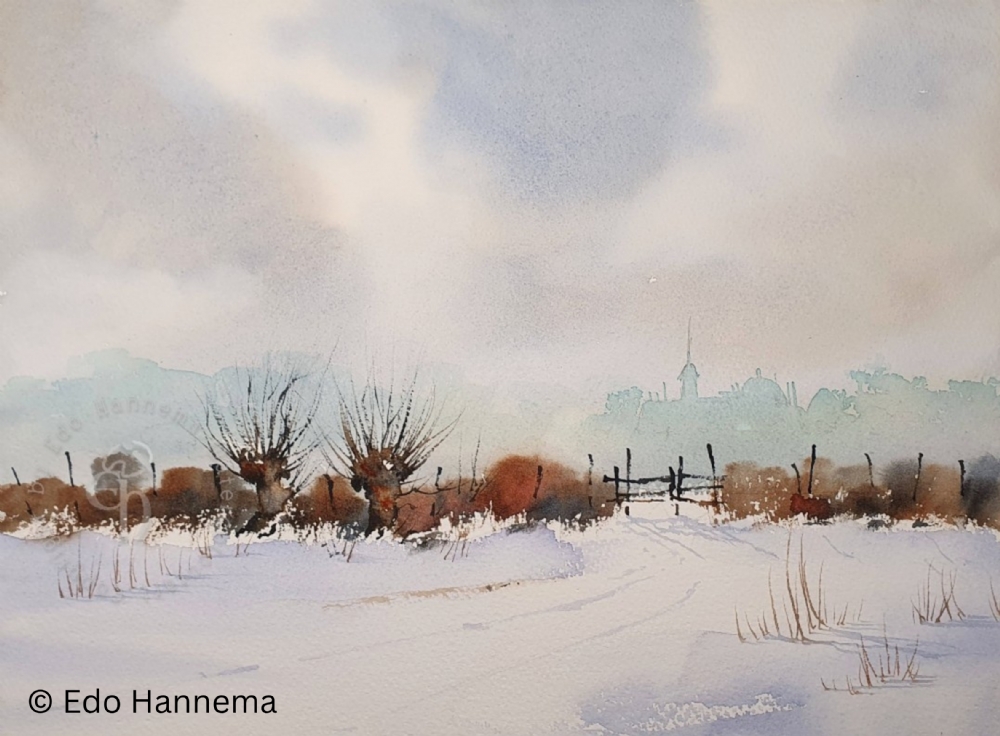
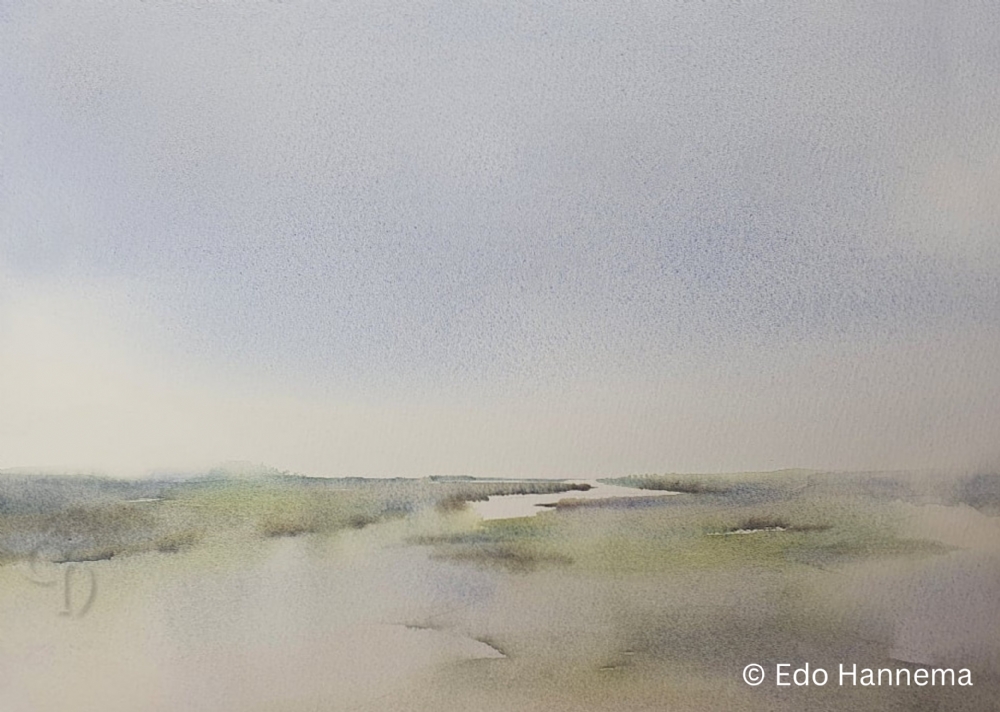
Edo Hannema describes a pivotal moment in his own work:
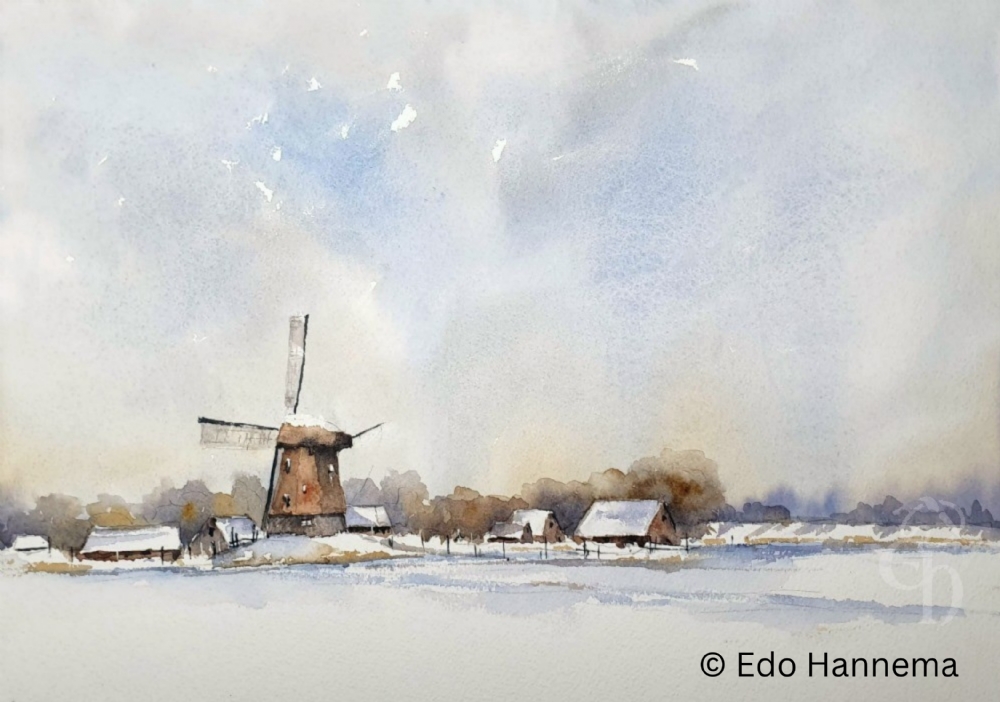
“The first time I painted on Millford, I experienced something quite remarkable… I was able to create that elusive broken brushstroke I had been searching for.”
Edo had been trying to replicate an effect legendary artist Alwyn Crawshaw created with a large brush fully loaded with pigment, yet achieving a beautiful broken effect, whilst using the now-discontinued Whatman paper.
He continues:
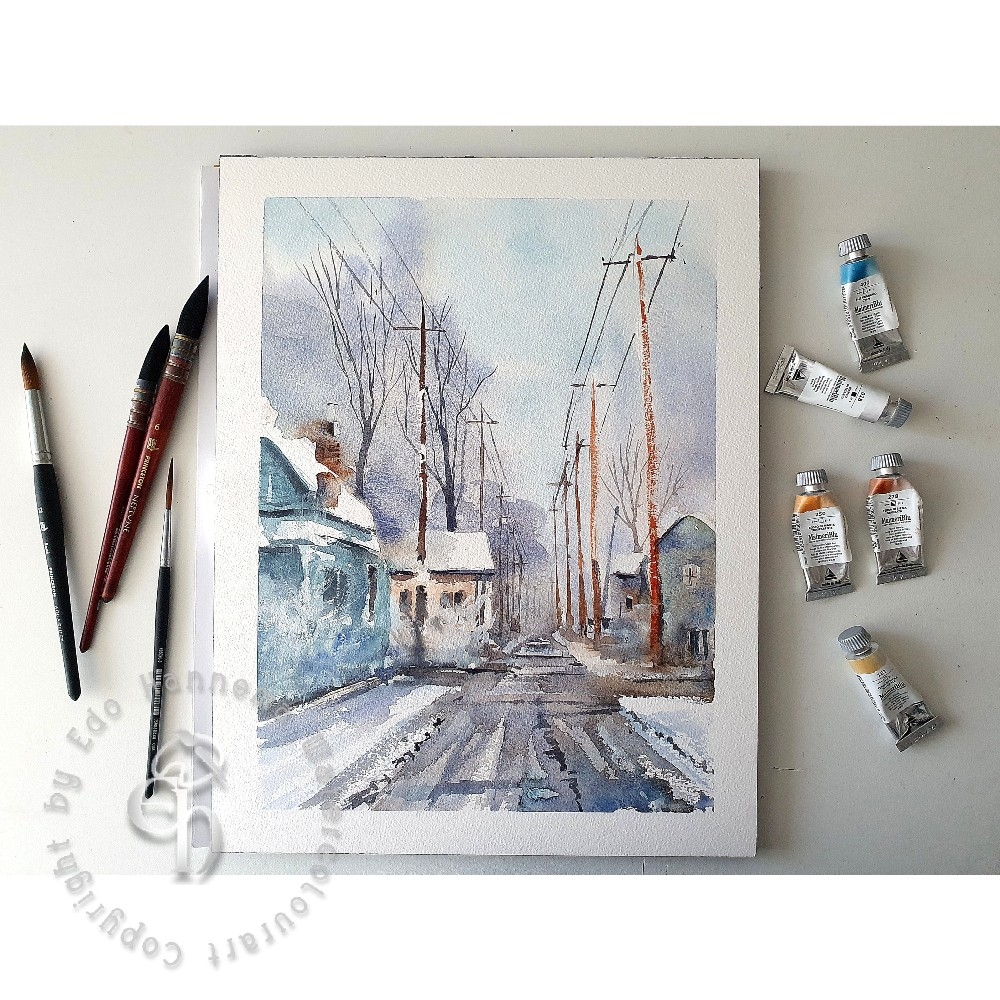
“What makes Millford so special to me is that there was no learning curve… I was completely at ease with it from the start… I particularly value it for painting snowy landscapes, where those broken brushstrokes bring an added sense of light, texture, and atmosphere.”
Millford paper was developed to emulate the much-admired Whatman paper, long revered for its watercolour performance.
In comparing the two on his YouTube channel, Grahame Booth observed:
“Behaviour-wise, I don’t see too much difference; both papers give that lovely subtle variety of colour and a slight breakup that I really like… In conclusion, [St Cuthbert Mill’s] Millford has succeeded in creating a paper that is very similar in performance to the legendary Whatman paper.”
To watch Grahame's video
Matching paper to artistic intent
Ultimately, the choice between hard and standard-sized watercolour paper comes down to the artist choosing what they wish to achieve.
- Artists seeking loose, fluid effects and extended wet-in-wet working time often benefit from less absorbent surfaces.
- Those favouring quicker, decisive marks may prefer standard-sized papers.
Understanding these differences allows artists to select the right tool for their painting, and perhaps experiment beyond their usual style. Hard-sized watercolour papers offer an interesting combination of more wet control, luminosity, and the ability for more expressive marks.
To learn more about the artists featured in this article
Lois Davidson
Grahame Booth
Edo Hannema