St Cuthberts Mill Paper
Call or email:
+44 (0)1749 672015
sales@stcuthbertsmill.com
St Cuthberts Mill Paper
Watercolour
Printmaking
Digital Fine Art
|
|||
|


Fade Resistant Paper: Protecting Your Artwork for Future Generations
When artists think about permanence, they often focus on the lightfastness of their paints or printing inks. Yet the paper itself plays an equally important role in how an artwork will look decades from now.
Whether creating a watercolour painting, drawing or print, the longevity of the paper is fundamental to preserving the artist's original vision. Even the most lightfast pigments can be undermined if the paper beneath them yellows or deteriorates over time.
Why paper matters as much as your paint
Watercolour is a transparent medium. Light passes through the paint layers and reflects from the paper beneath, making the paper an active part of the finished image. The brightness and shade of the paper influence every wash and brushstroke.
The same is true in printmaking, where areas of paper often remain visible as part of the composition, and in drawing, where the paper itself provides highlights and contrast.
When paper yellows or darkens with age, the artwork changes with it. Colours can appear duller, contrast is reduced and subtle tonal relationships may be lost. Choosing a fade resistant, archival-quality paper is therefore one of the most important decisions an artist can make.
What does ‘Fade Resistant’ really mean?
Fade resistant paper is designed to maintain its appearance over time, resisting discolouration caused by light exposure and natural ageing.
What causes paper to fade?
Historically, paper discolouration has been caused by three main factors:
- Light exposure – Ultraviolet light can trigger chemical changes that alter the appearance of paper.
- Acidity – Acidic papers gradually break down, leading to yellowing and brittleness.
- Lignin – A natural component of wood that can darken and discolour paper as it degrades.
What does ‘Wood-Free’ mean?
Despite the name, wood-free paper will still be made from wood pulp. The term simply means that the lignin has been removed during manufacture.
Removing lignin significantly improves permanence by eliminating one of the primary causes of paper yellowing.
Paper fading vs paint fading
Paint fading occurs when pigments lose colour through light exposure or chemical instability. Paper fading refers to changes in the paper itself, such as yellowing, darkening or loss of brightness.
An artwork can be painted with highly lightfast pigments yet still appear aged if the paper beneath it changes colour. Both pigment permanence and paper permanence are essential for long-term artwork preservation.
Why archival papers resist change
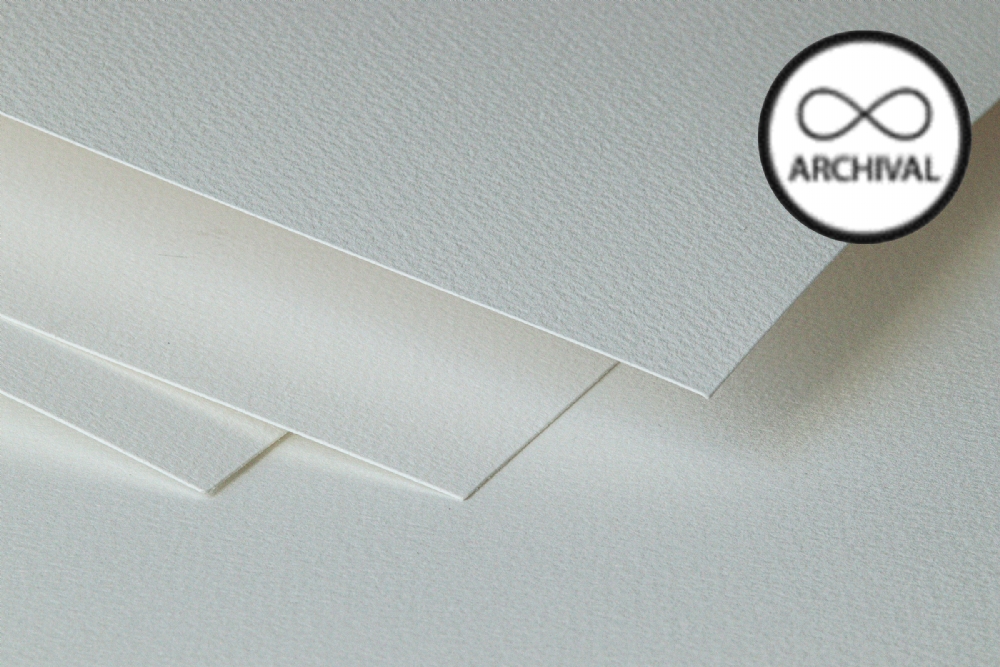
Archival-quality papers are engineered to remain stable for decades. They are acid-free, buffered to help neutralise environmental acids and made from high-quality cotton fibres or carefully selected wood-free pulps.
Many archival papers are also tested to recognised permanence standards, providing confidence in their long-term stability.
The science behind fade resistance paper
One of the most misunderstood aspects of paper permanence is the role of Optical Brightening Agents (OBAs).
What are OBAs?
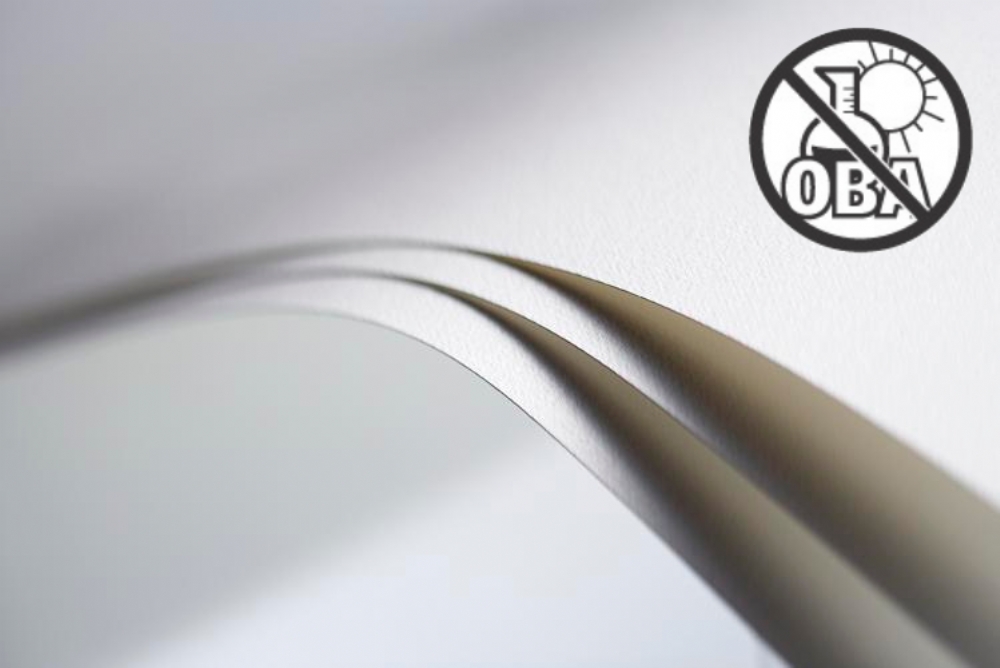
OBAs are fluorescent compounds added to paper to create a brighter, whiter appearance. They absorb ultraviolet light and re-emit it as visible blue light, making the sheet appear brighter than its natural shade.
What happens to OBAs over time?
OBAs are not permanent. Over time, exposure to light reduces their effectiveness, meaning the paper may appear less bright than when it was new. While the paper itself may remain stable, its visual appearance can gradually change.
Pigments vs dyes for fade resistant paper
Fade resistant papers often use stable pigments rather than dyes to achieve and maintain their shade. Pigments generally offer greater resistance to light exposure, helping preserve the paper's appearance over time.
Understanding the Blue Wool Scale
The Blue Wool Scale is a recognised measure of lightfastness, ranging from 1 to 8. Higher ratings indicate greater resistance to fading under light exposure.
Paper made at St Cuthberts Mill achieves a Blue Wool Scale rating of 6+, considered very good lightfastness. With proper mounting and display, the paper should remain visually stable for 50-100 years, making it highly suitable for artistic applications.
The benefits of naturally archival white papers
Rather than relying heavily on OBAs, fade resistant papers achieve their shade through carefully selected raw materials and manufacturing techniques. These naturally archival white papers are designed to maintain a more consistent appearance over time.
Designed for longevity
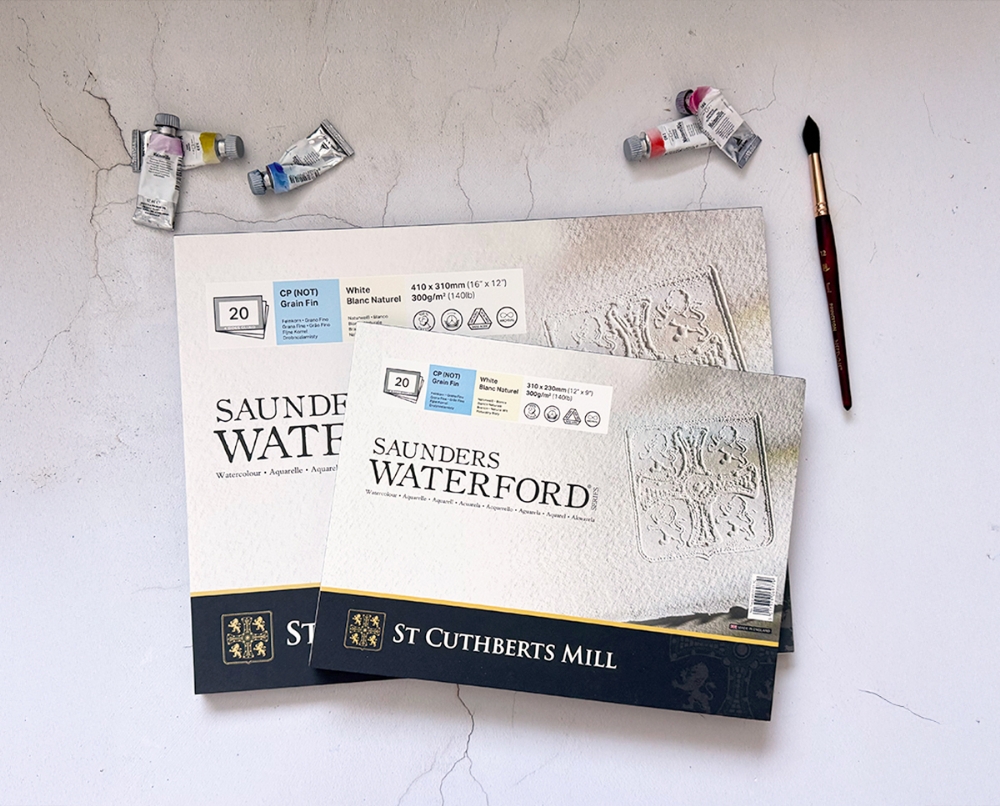
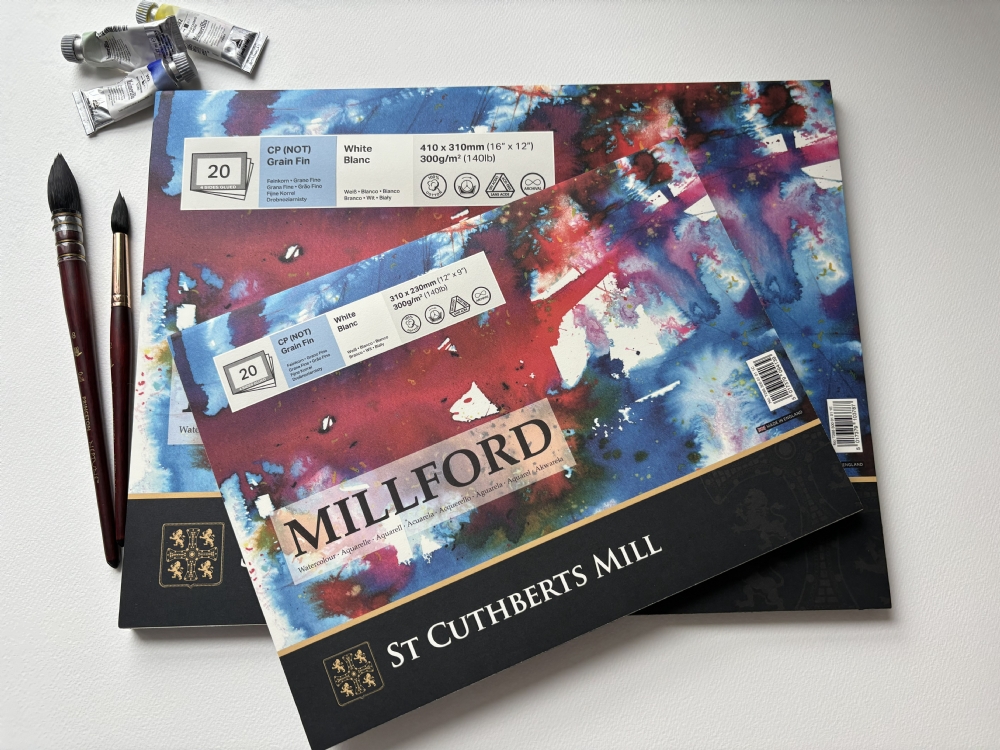
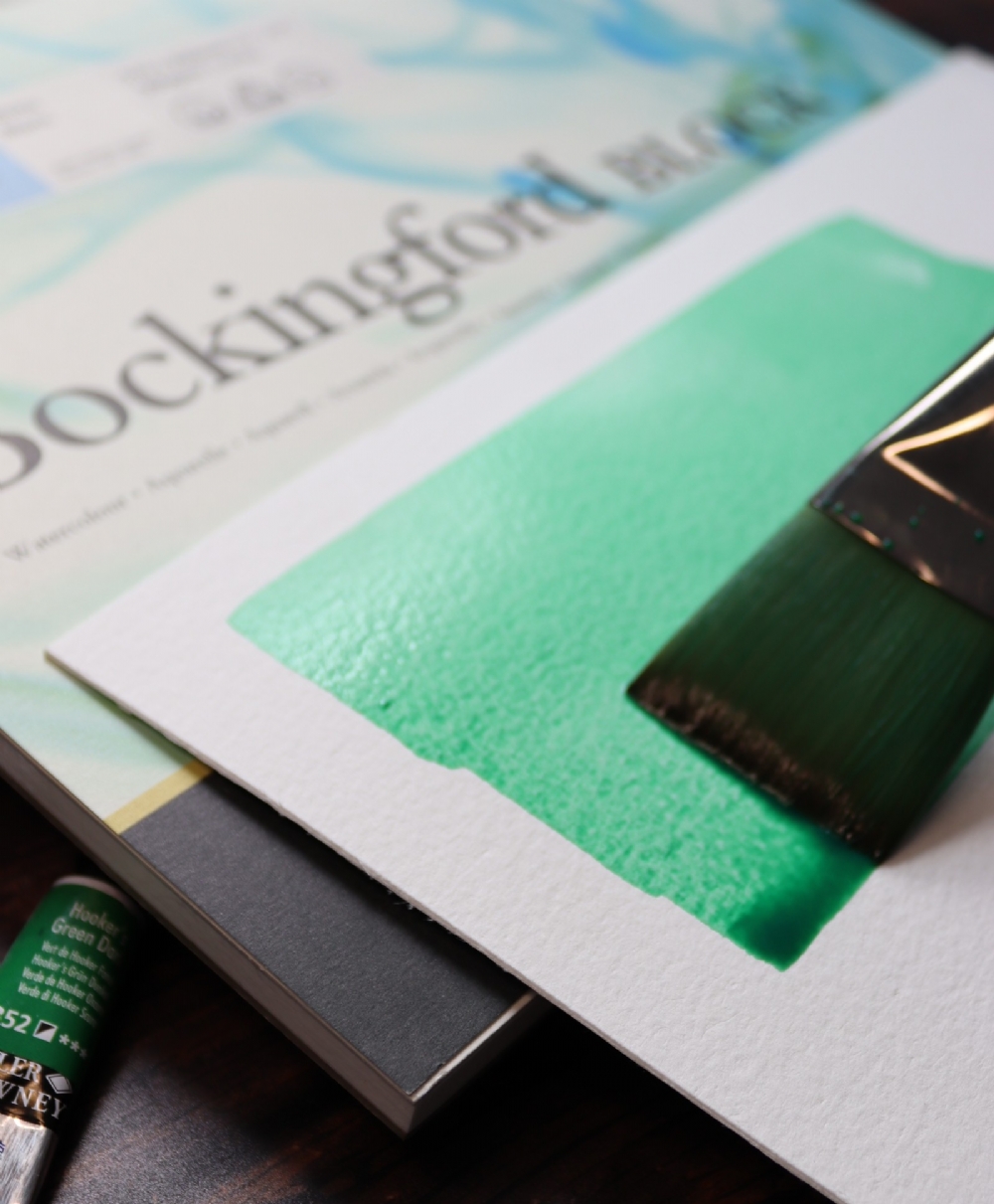
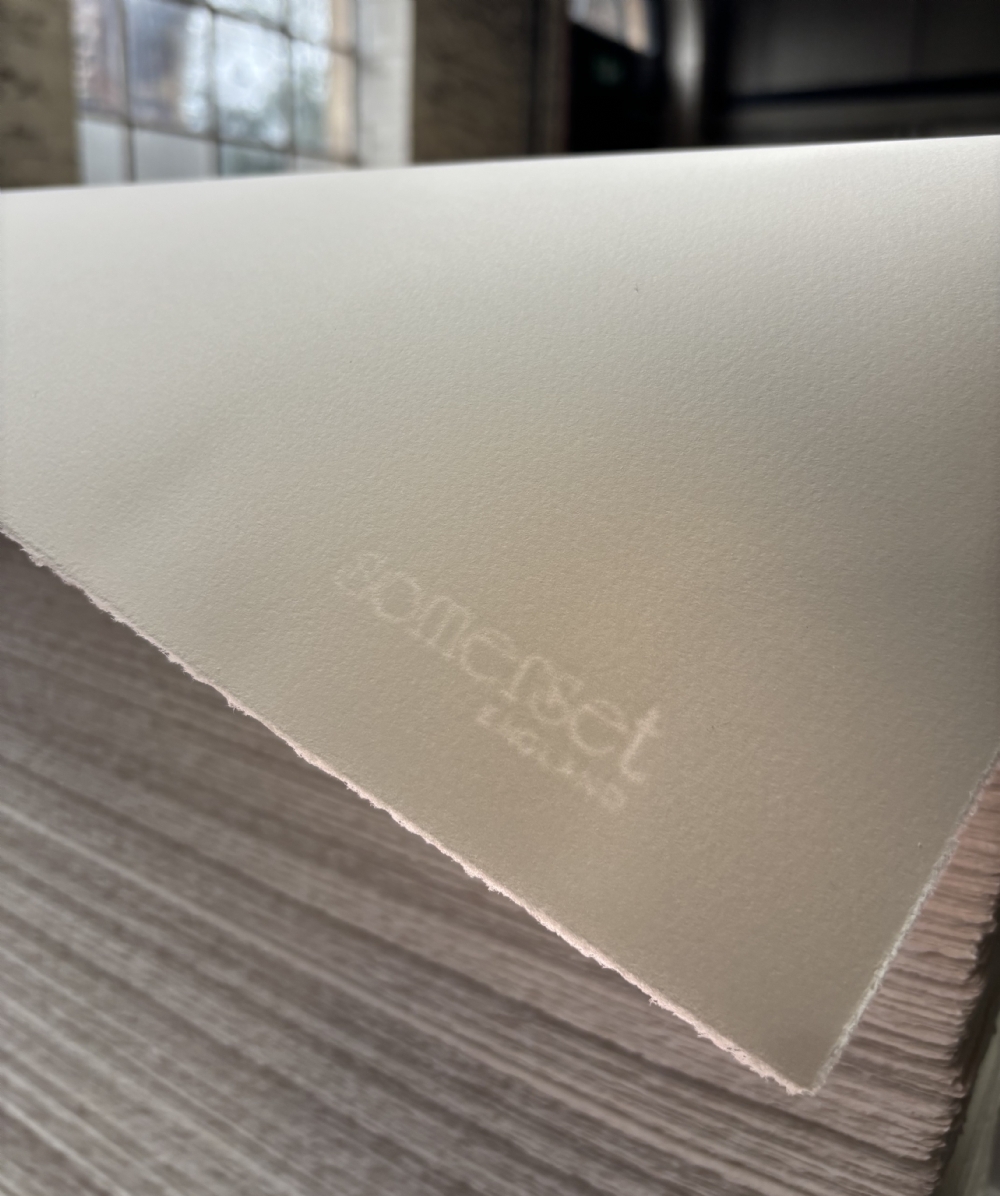
At St Cuthberts Mill, permanence is fundamental to our paper making. Papers such as Saunders Waterford®, Millford and Somerset® are made from high-quality cotton fibres, while Bockingford® is produced using carefully selected wood-free pulps to ensure archivability.
All are acid-free and manufactured using archival production methods designed to support long-term stability. The result is paper that performs beautifully in the studio while helping preserve artwork for future generations.
Creating artwork for future generations
Artists invest countless hours developing their skills and bringing creative ideas to life. Choosing a fade resistant paper helps protect that investment. While no artwork is completely immune to time, choosing a paper designed for longevity gives future generations the opportunity to see the work as the artist intended."
Further reading
Archival Paper – Making Artwork Last