St Cuthberts Mill Paper
Call or email:
+44 (0)1749 672015
sales@stcuthbertsmill.com
St Cuthberts Mill Paper
Watercolour
Printmaking
Digital Fine Art
|
|||
|


Guide to Using Masking Fluid on Watercolour Paper
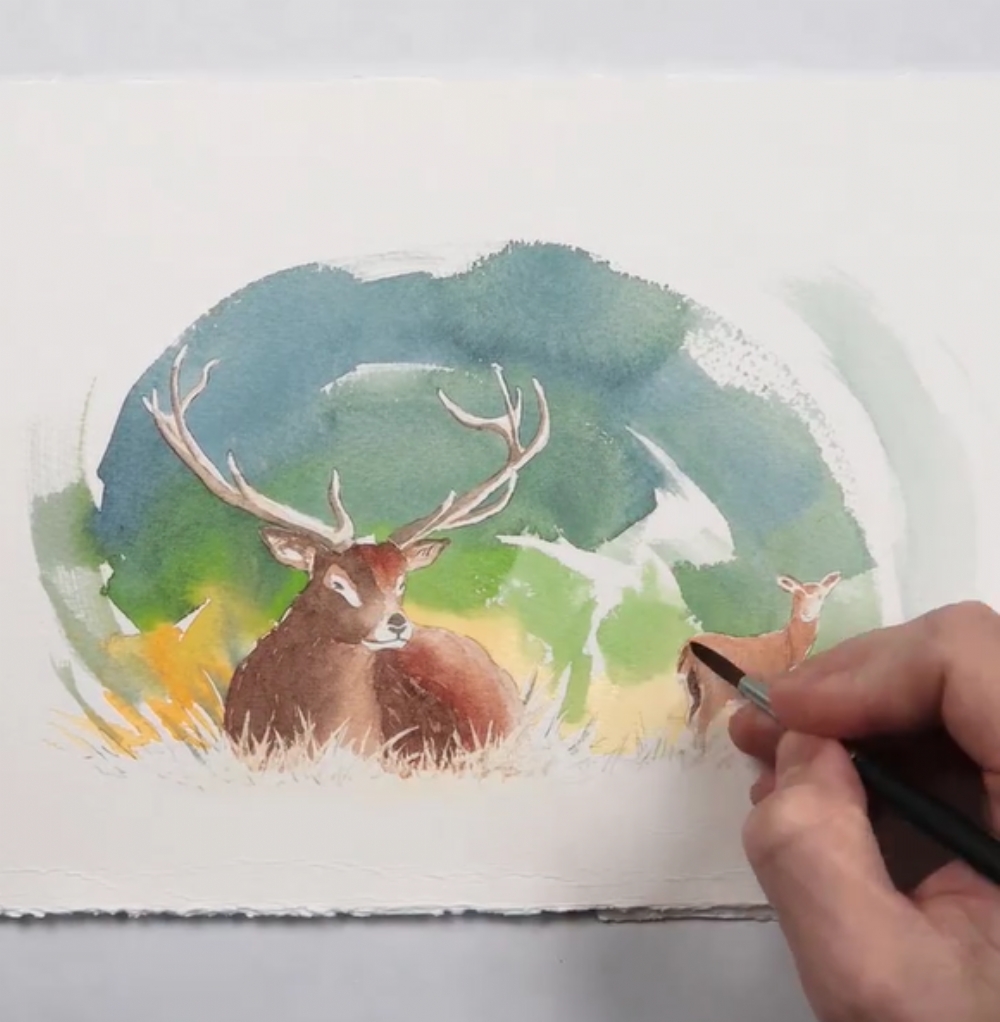
Masking fluid, also known as drawing gum, is used by watercolour artists to protect areas of the paper from paint. Once dry, it forms a temporary barrier, allowing watercolour washes to be applied over the top. When the painting is dry, the masking fluid can be removed to reveal the clean paper underneath.
This makes it particularly useful for preserving highlights and fine details that would otherwise be difficult to paint around, such as grasses, branches, hairs, flower highlights, reflections and sparkling water.
Why use masking fluid?
In watercolour, the brightest whites often come from the paper itself rather than white paint. Masking fluid allows you to decide where those areas of white will remain before you start painting. Rather than trying to paint around every small highlight, you can mask the area, apply your washes more freely, then remove the fluid to reveal the untouched paper beneath.
Masking fluid can also be used more creatively, for example by flicking it onto the paper to create small, irregular areas of light.
Before you begin
Always apply masking fluid to clean, dry watercolour paper. Applying it to damp paper can allow the fluid to work into the fibres, making it harder to remove and increasing the risk of damaging the surface.
The paper you choose matters too. Masking fluid puts a lot of demands on the surface, particularly when it is removed, so a strong, well-sized watercolour paper is a good choice. Both Saunders Waterford® and Bockingford® are suitable for use with masking fluid.
If you are using a new combination of paper and masking fluid, it is sensible to test it first on a spare piece of the same paper.
Applying masking fluid
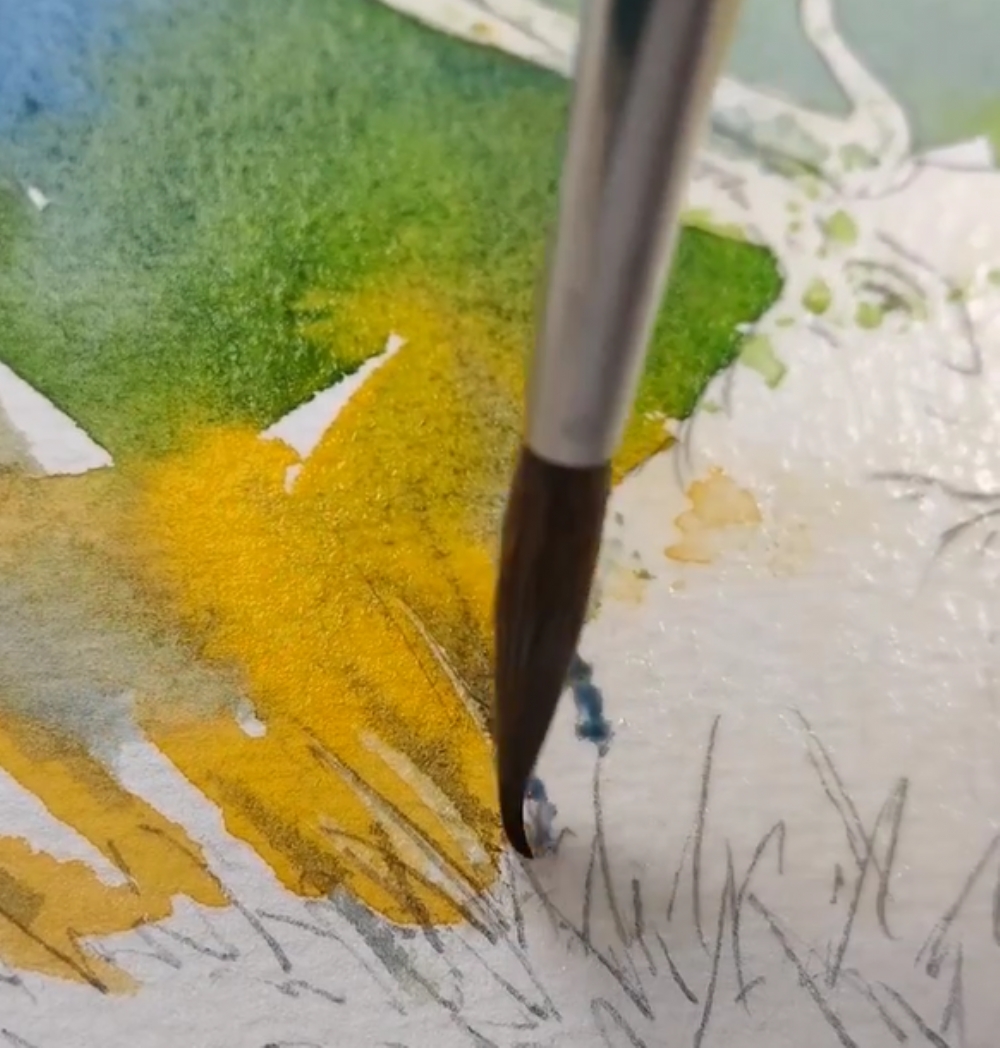
There are several tools you can use, depending on the marks you want to make. An old or inexpensive brush is suitable for broader areas, while a ruling pen can produce fine lines for details such as grasses and branches. Silicone colour shapers, fine applicators and nibs can also be useful.
Avoid using a favourite watercolour brush. Once masking fluid dries on the bristles, it can be difficult to remove and may damage the brush.
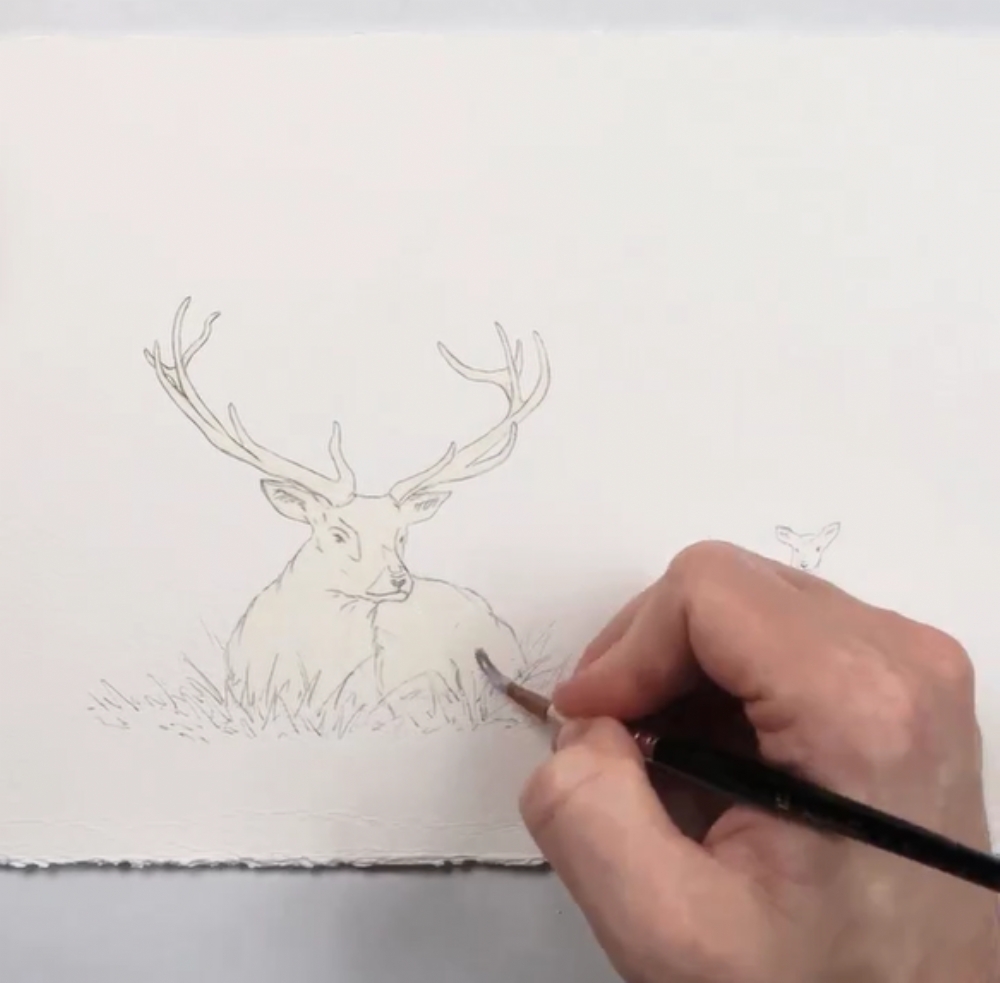
Apply the masking fluid only where you want to protect the paper. There is no need to build up a thick layer; a reasonably even coating is usually sufficient. Try to work confidently rather than repeatedly brushing over the same area.
Most importantly, allow the masking fluid to dry completely before applying watercolour. The drying time will depend on the product, the thickness of the application and the conditions in your studio.
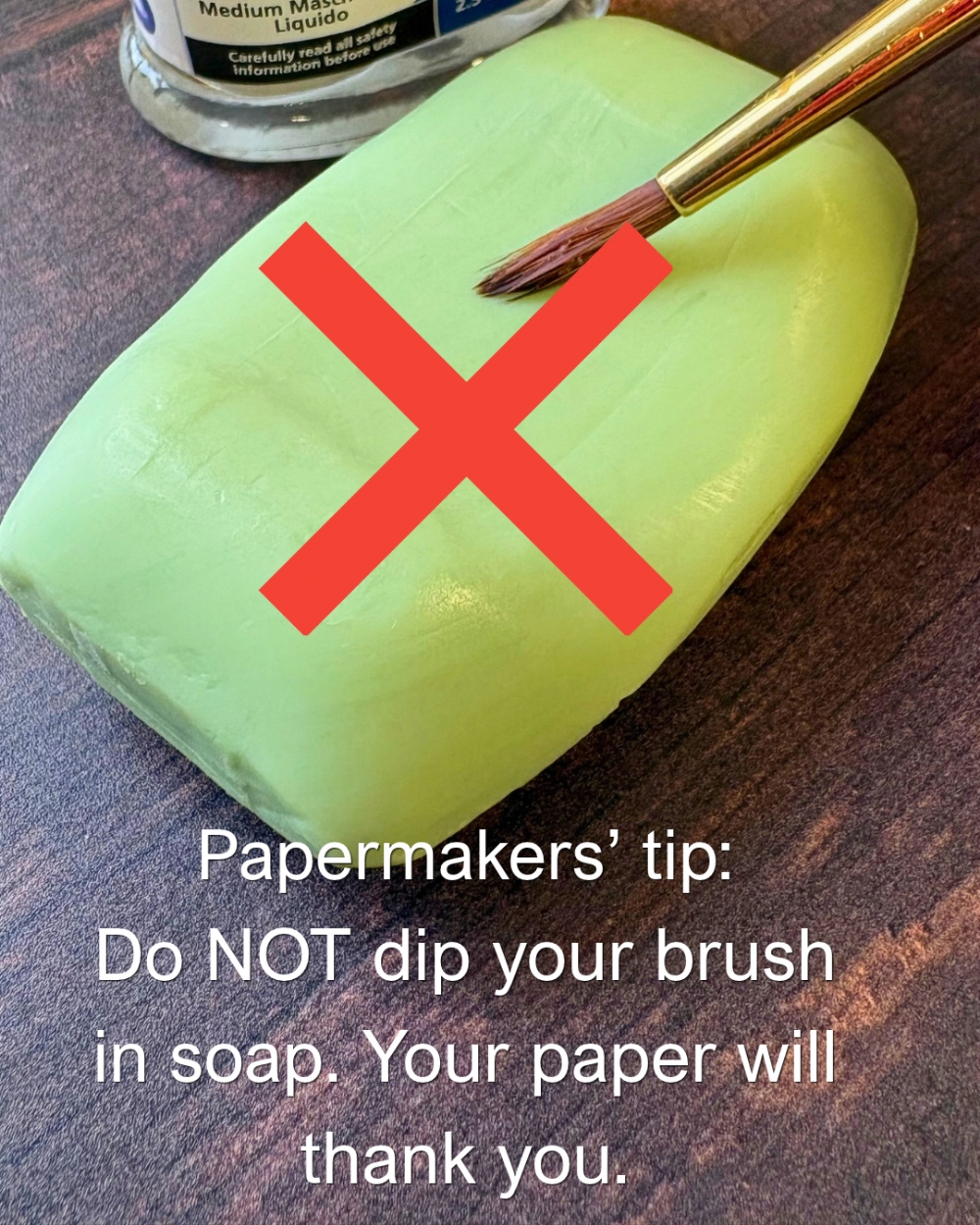
Don't use soap on your brush
You may come across advice recommending that you coat or dip a brush in soap before using it with masking fluid. This is not recommended by St Cuthberts Mill.
Soap and detergent can affect the absorbency of watercolour paper, changing the way it takes water and pigment. For this reason, we advise against introducing soap or detergent to the surface of your paper.
Instead, use an old brush that you are happy to dedicate to masking fluid, or use a suitable alternative such as a ruling pen or silicone applicator. If you do use a brush, clean it immediately after use, before the masking fluid has a chance to dry.
Painting over masking fluid
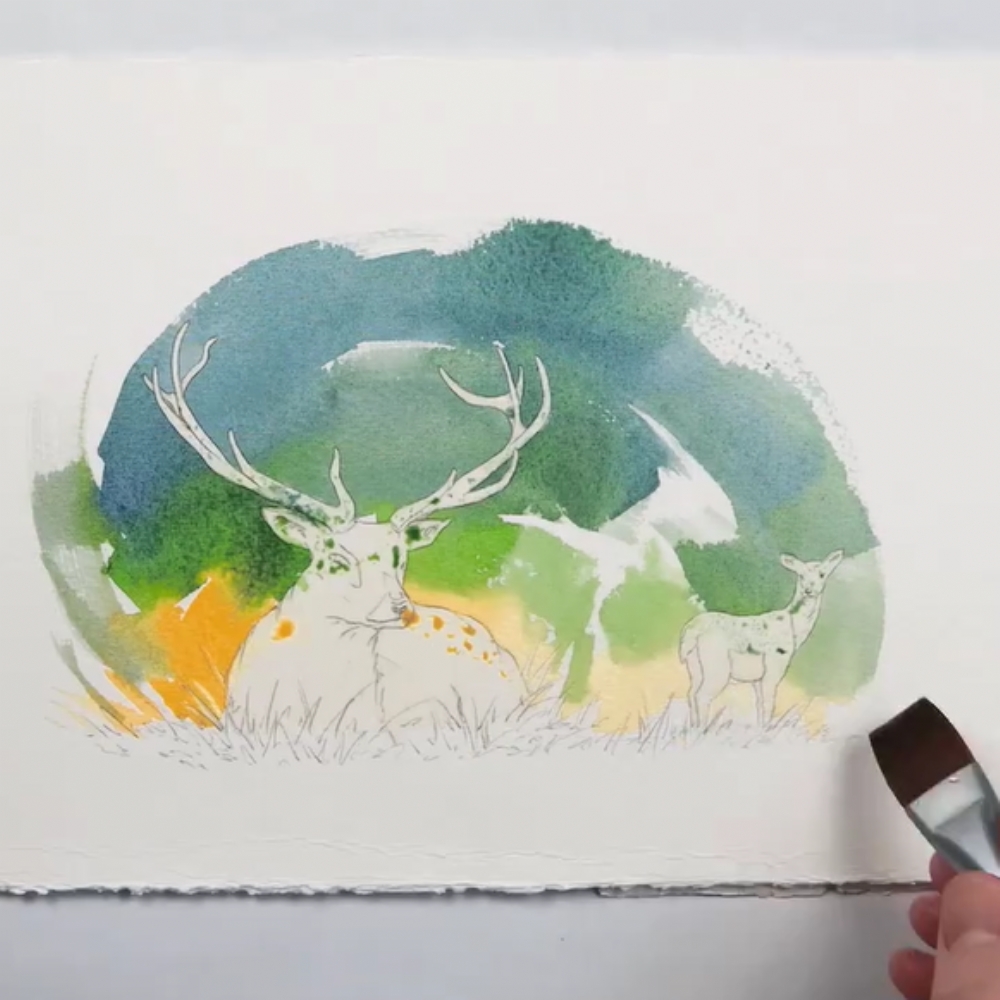
Once the masking fluid has dried, you can paint over it as normal. Broad washes can be applied across the masked areas without affecting the paper beneath. Take care not to disturb the masking fluid as you paint. If the fluid starts to lift or break away, allow the area to dry before continuing.
Once you have finished painting, allow the watercolour to dry thoroughly before removing the mask. This is particularly important with larger washes, where the surface may feel dry while there is still moisture within the paper.
When should you remove masking fluid?
Timing is important. Do not remove masking fluid too soon, but don't leave it on the paper for too long either.
Removing it while the surrounding paint is still wet can disturb the wash and damage carefully painted edges. Wait until the painting is properly dry before beginning. On the other hand, masking fluid is intended to be temporary. If it is left on the paper for an extended period, it can become more difficult to remove and may increase the risk of damaging the surface.
There is no single time that will be right for every painting. The type of masking fluid, the paper, how heavily it has been applied, and the conditions in your studio will all make a difference. As a general approach, complete the painting and remove the masking fluid once the surrounding watercolour is dry, rather than leaving it on indefinitely.
Removing masking fluid
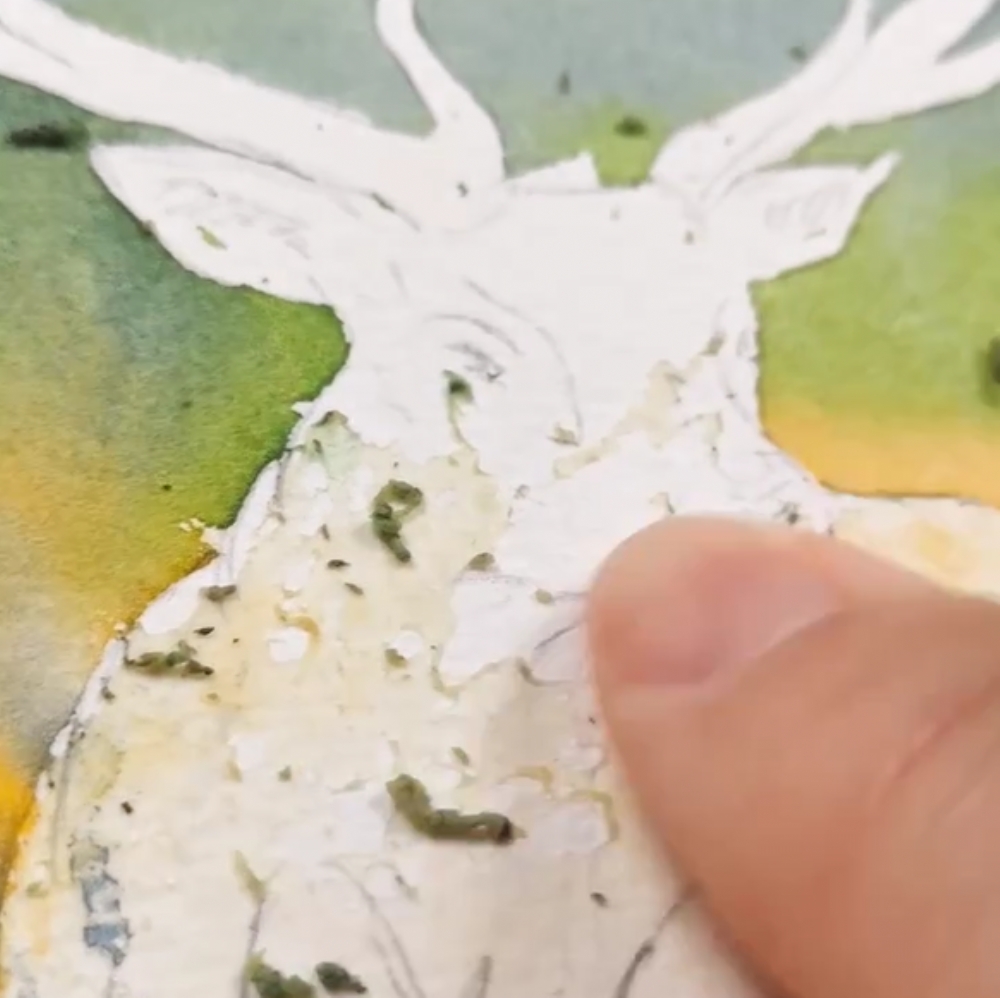
When the painting is dry, gently rub the masking fluid away with a clean, dry fingertip or a suitable masking-fluid remover.
Work gently and avoid pulling aggressively at the mask. It should lift away from the surface without requiring excessive force. As the masking fluid comes away, the clean paper beneath will be revealed. These areas can be left as bright highlights or painted into if you want to soften or develop them further.
Masking fluid is a simple technique, but the paper and the timing of the process both matter. With careful application and removal with the right paper, it can be a very useful way of preserving the natural white of your watercolour paper and controlling light within a painting.
To learn more
Using Masking Fluid with Joris Munier
Paintings ©Joris Munier