St Cuthberts Mill Paper
Call or email:
+44 (0)1749 672015
sales@stcuthbertsmill.com
St Cuthberts Mill Paper
Watercolour
Printmaking
Digital Fine Art
|
|||
|



Timeless Strength of Cotton Papers
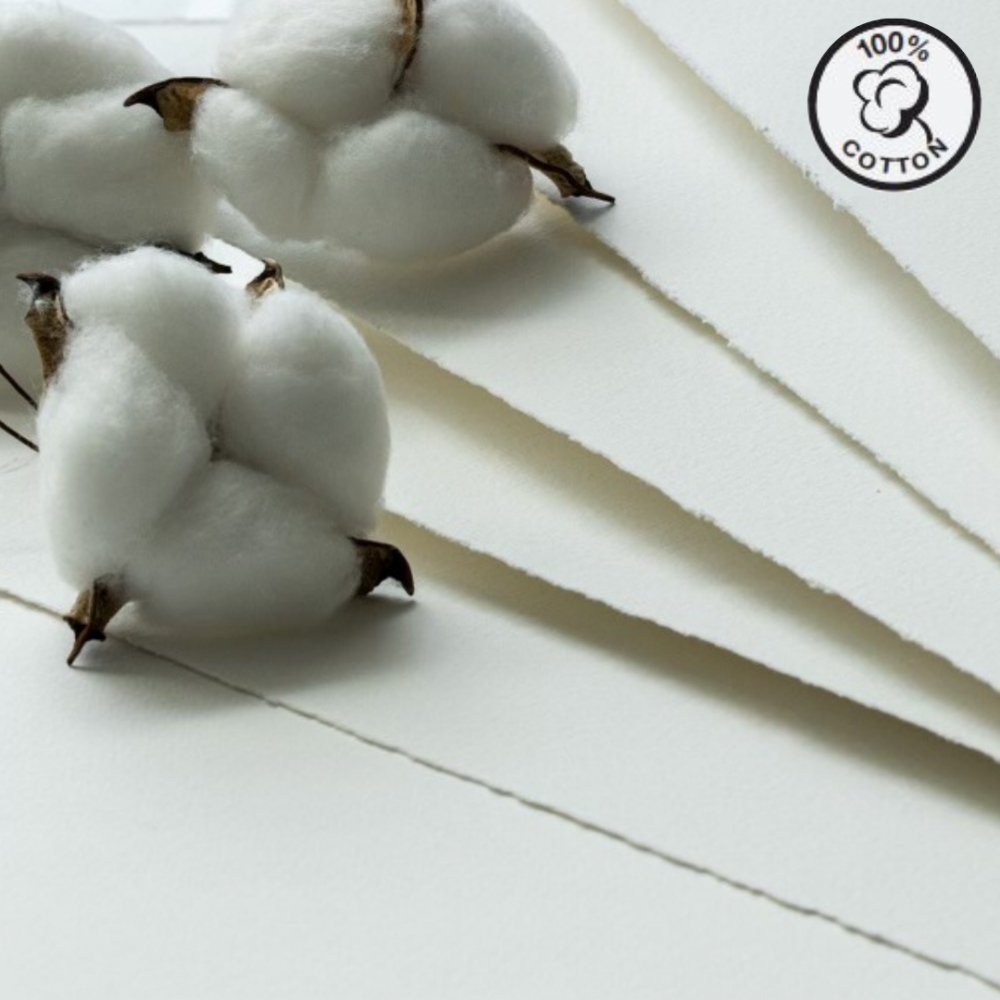
For centuries, cotton has been the fibre of choice for the world’s finest artist papers. Renowned for its strength, durability, longevity and natural beauty. Cotton papers are not just beautiful; they are a hardworking friend for an artist that enhances the creative process and also preserves their work for generations. At St Cuthberts Mill we are experts in working with cotton fibres, turning them into luxurious artist papers.
What properties do cotton papers offer artists?
- Strength: Cotton fibres are durable whilst also being soft.
- Good looking: Paper made with cotton has a luxurious feel with a sophisticated texture and a more tactile feel.
- Longevity: Cotton is a form of high alpha cellulose, which naturally holds archival properties.
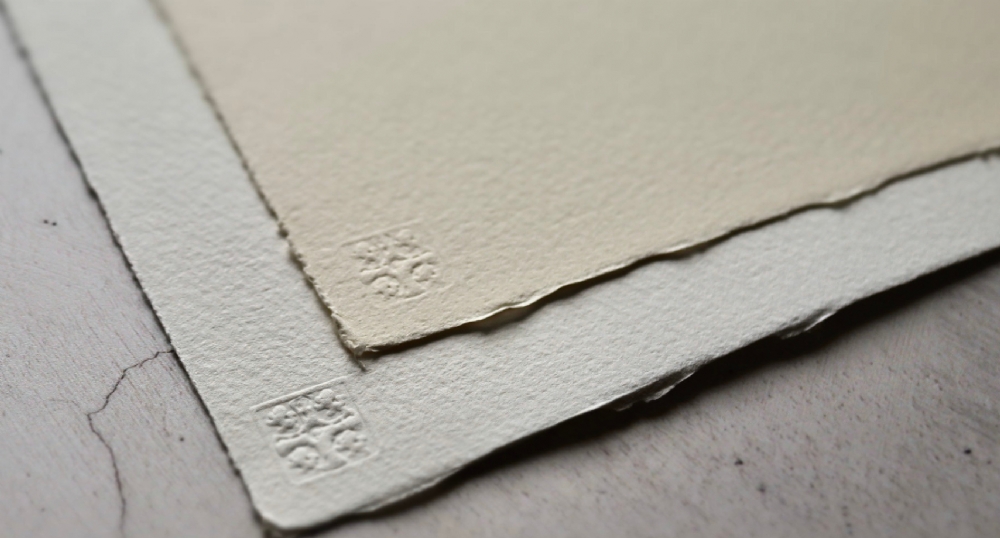
- Docile: Cotton fibres are naturally docile and are easier for papermakers to manipulate. Coupled with MOULD MADE papermaking ensures the paper stays flatter with less buckling when painted.
Secrets of Why Mould Made Papers Stay Flatter
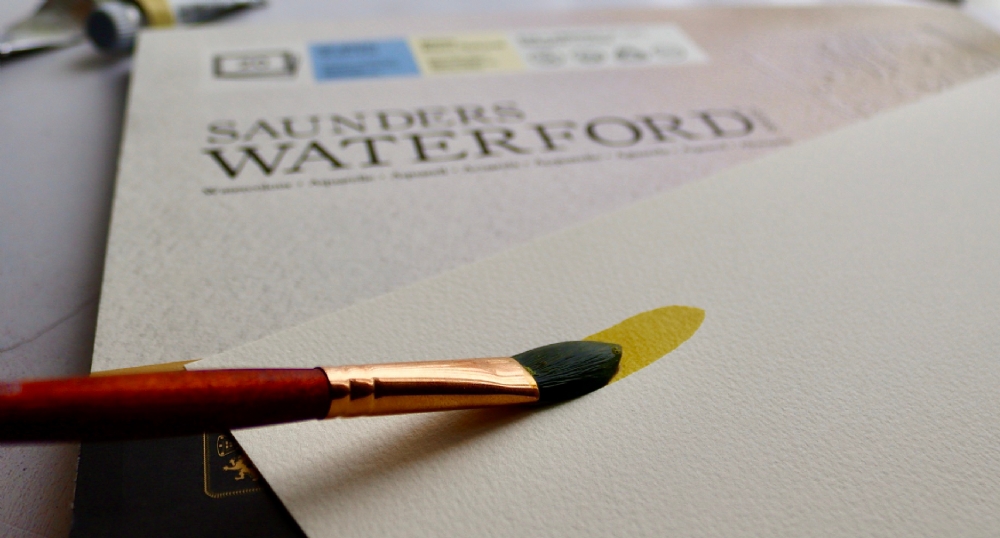
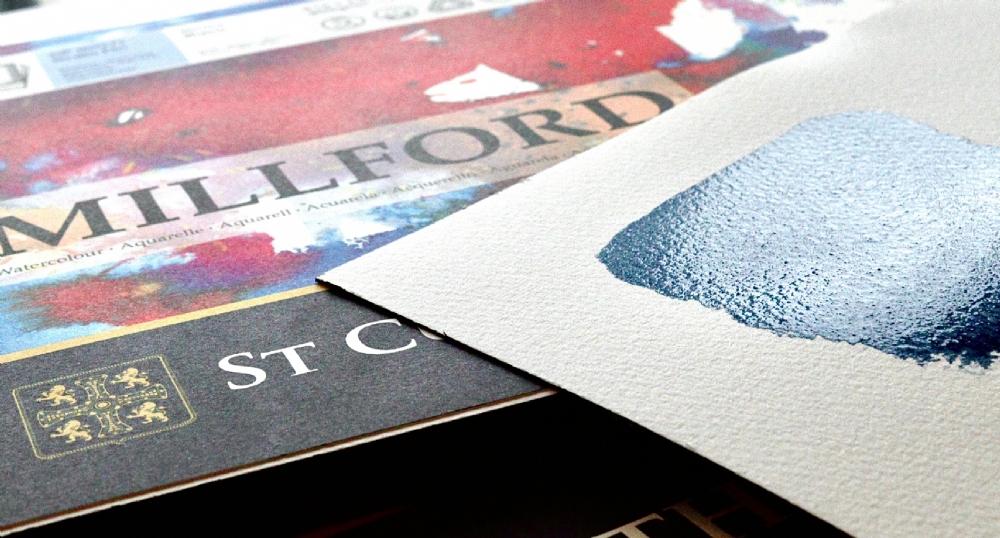
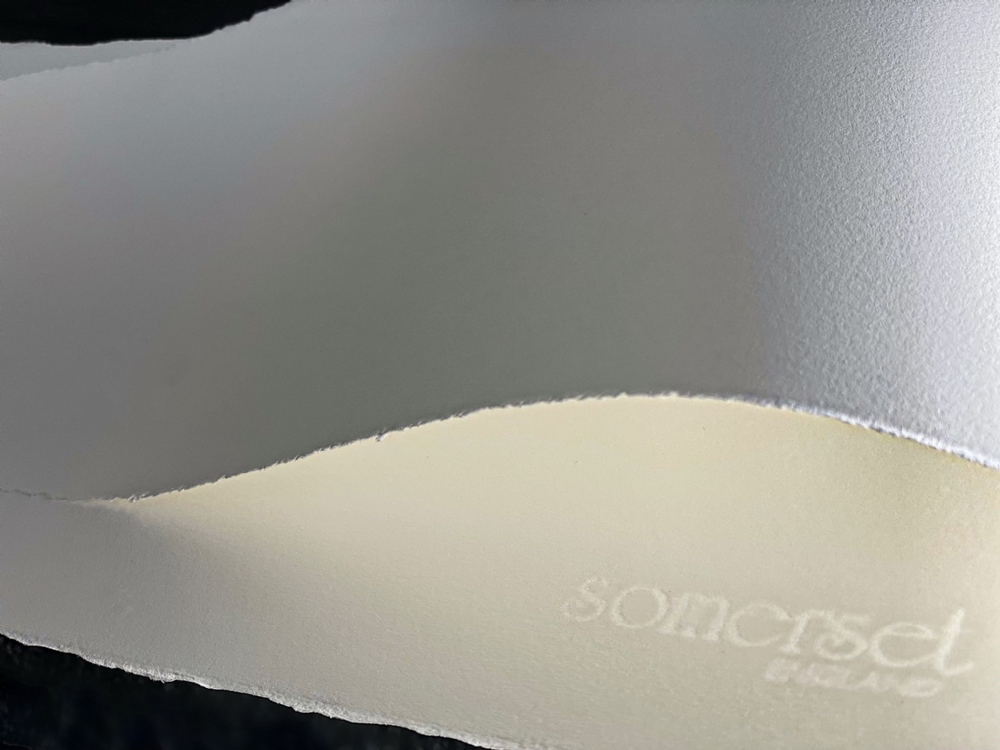
Saunders Waterford®, Millford and Somerset® are all made with 100% cotton.
What are cotton linters?
Our papermakers enjoy making paper with cotton, as it is a nice fibre to work with. Artists like the performance the cotton fibres exhibit. Modern cotton papers are actually made with ‘cotton linters’. These cotton linters are the seed hairs inside the cotton bulb and are actually a byproduct of the textile industry. Most of the papers made at St Cuthberts Mill are made with cotton fibres.
To read more about Re-using and Protecting, St Cuthberts Mill and the Environment
What is cotton rag paper?
The term ‘cotton rag’ refers to papers made with cotton. It is very unusual to find recycled rags actually being made into modern paper, but is instead now used as an archaic term referring to an era when textile rags were recycled into paper.
Why are recycled rags no longer used in papermaking?
Unfortunately, recycled rags from today’s clothing are made with a variety of manmade fibres. These manmade fibres are difficult for papermakers to use, and separating the cotton fibres is extremely difficult. This wasn’t always the case, and historically papermakers used recycled rags for their cotton content, as this traditional 18th-century poem highlights the cyclical nature of capitalism:
RAGS make paper,
PAPER makes money,
MONEY makes banks,
BANKS make loans,
LOANS make beggars,
BEGGARS make RAGS.
Author unknown, circa 1700’s
Why are standard papers no longer made with cotton?
Papermaking has a long history, which started in China, before moving through the Middle East, then arriving in Europe, bringing knowledge of how to use various plant fibres and turn them into paper.
- Renaissance Europe: Fibres from cotton sourced from rags were valued for being whiter, smoother and more durable than other materials available at the time. Cotton became the main fibre for printing and writing paper. The process of mashing rags into pulp and forming them into sheets was very labour intensive, with human interaction at every step.
- Industrial revolution: A global increase in demand for paper, coupled with revolutionary innovations in mechanising the making of paper with the aid of paper machines, made using cotton from rags uneconomical. By the mid 1800’s, wood pulp supplants rags as the primary paper making material, despite its initial lower quality (due to the inclusion of lignins). As a result, papers that required permanence, like banknotes and legal documents, continued to be made with cotton.
- 20th Century Onwards: Cotton recycled from rags disappears from papermaking to be replaced with cotton linters.
Every mark made on Saunders Waterford®, Millford and Somerset® begins with the quiet strength of cotton. Each sheet is a union of nature and craftsmanship, mould made with 100% cotton fibres for unparalleled stability, beauty and endurance. Trusted by generations of artists, these papers elevate technique, protect the integrity of the artwork, and stand the test of time. To create on cotton is to work with history beneath your hands, a living tradition of excellence, where every fibre carries the promise of permanence.