St Cuthberts Mill Paper
Call or email:
+44 (0)1749 672015
sales@stcuthbertsmill.com
St Cuthberts Mill Paper
Watercolour
Printmaking
Digital Fine Art
|
|||
|



How to Choose the Right Watercolour Paper
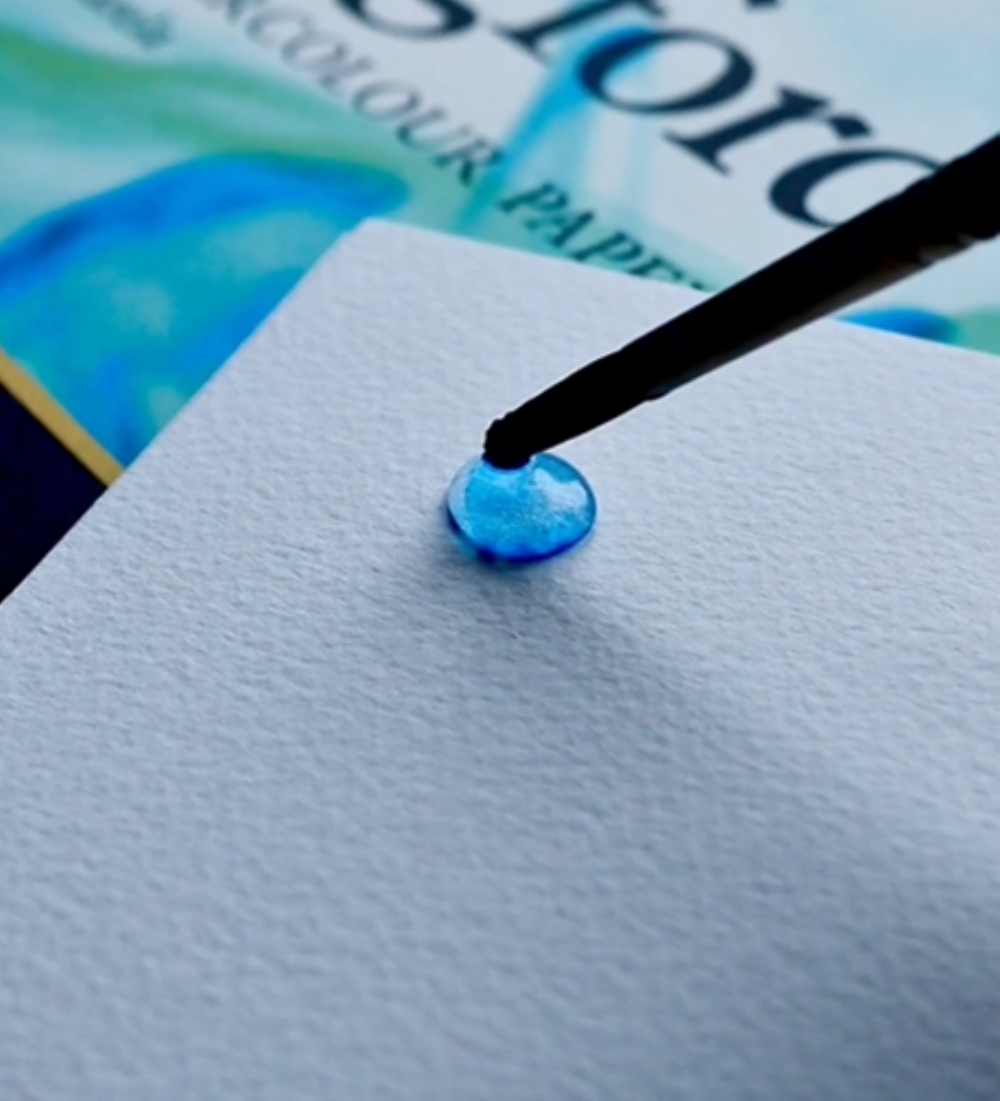
Many artists spend considerable time choosing paints and brushes, yet the paper often has the greatest influence on the finished artwork. Watercolour is unique because the paper becomes part of the painting itself, affecting colour brilliance, paint movement, lifting ability, texture and permanence.
Every watercolour paper has its own character. Understanding how papers differ will help you find a surface that complements your painting style and techniques.
Start with the paper fibre
The fibres used to make a paper have a significant impact on its performance.
100% cotton papers
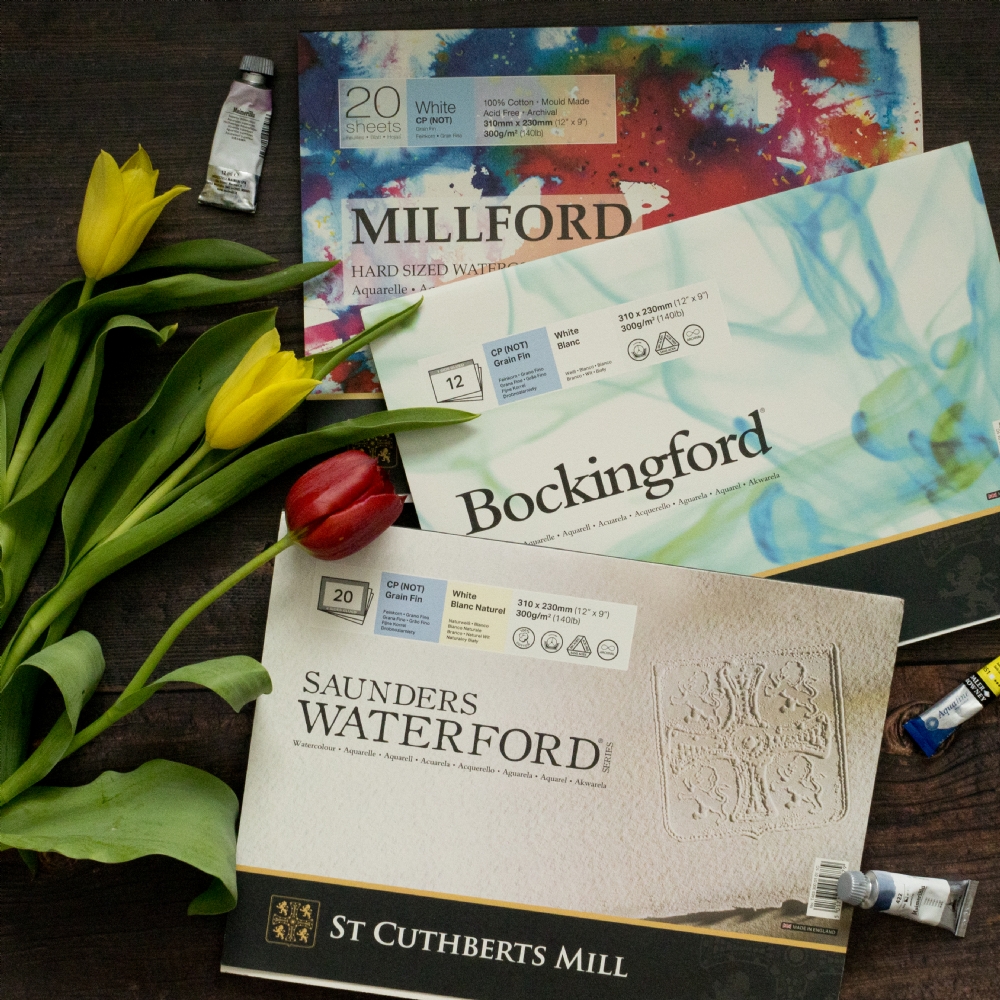
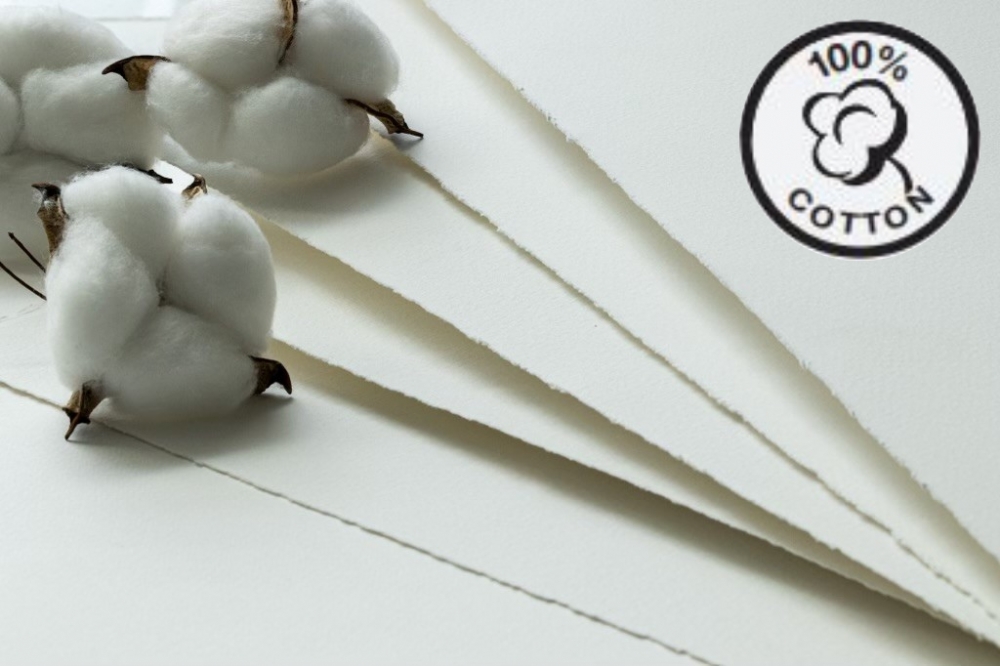
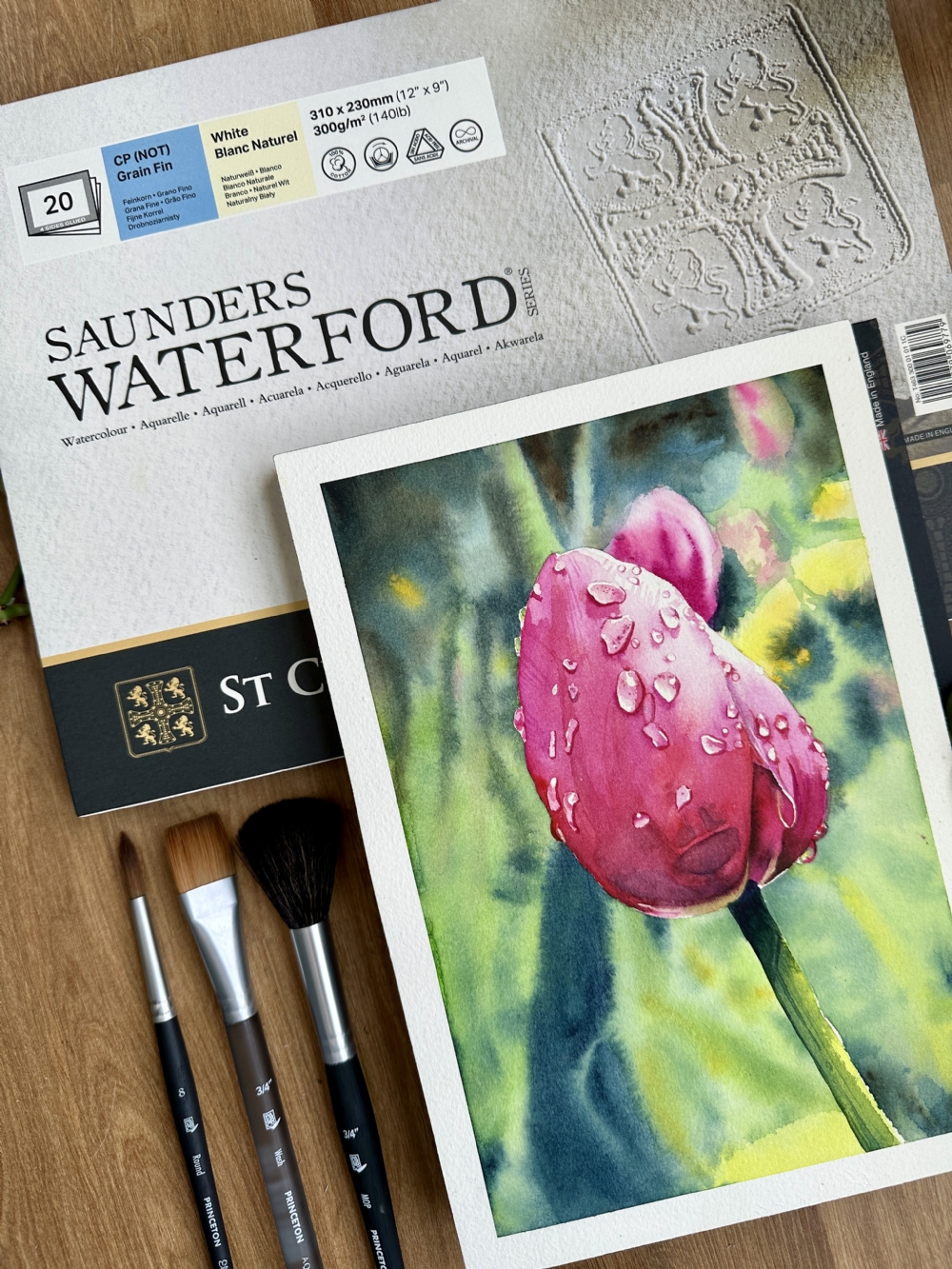
Professional-quality papers such as Saunders Waterford® and Millford are made from 100% cotton fibres. Cotton creates a strong, durable sheet that can withstand repeated washes and reworking while offering excellent archival permanence. Cotton papers also tend to remain flatter when wet and provide a more resilient painting surface for demanding techniques.
Cellulose (wood-free) papers
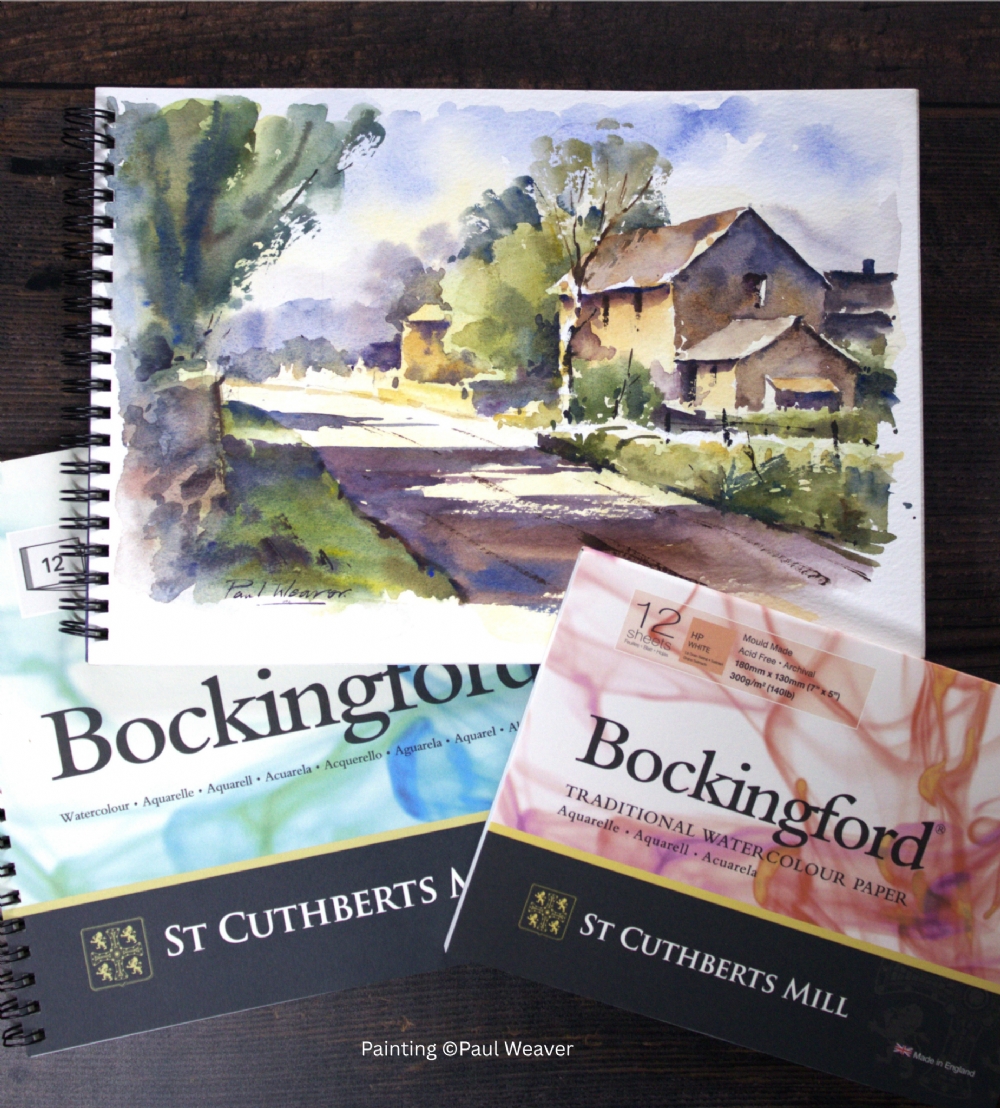
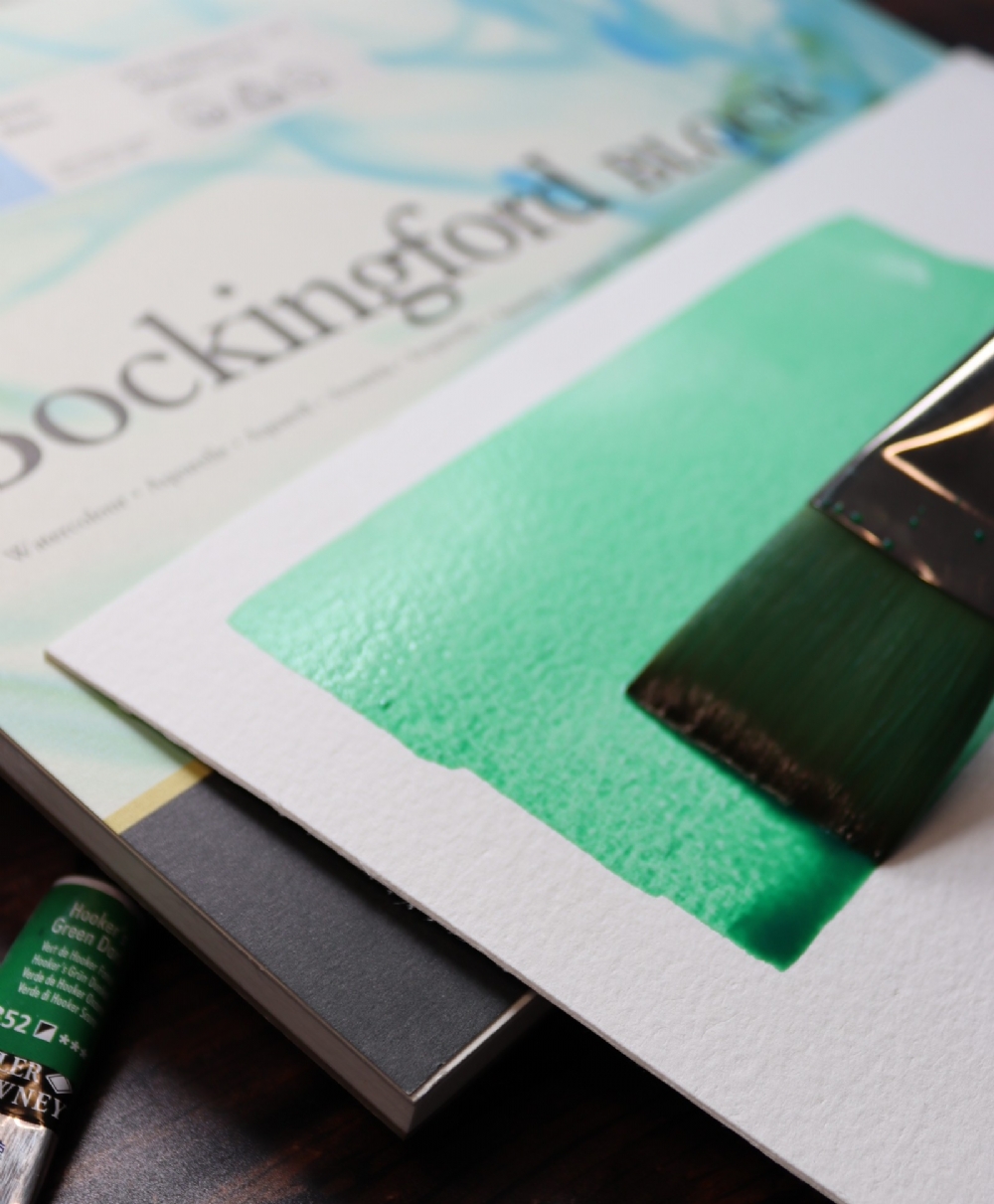
Cellulose papers offer excellent value and are often chosen for everyday painting, workshops and sketching. High-quality papers such as Bockingford® deliver impressive performance while remaining economical and accessible and are used by many professional painters.
Understanding paper performance
Before considering texture or weight, it is worth understanding how a paper behaves during painting.
Strength matters
A quality watercolour paper should withstand repeated washes without bobbling, pilling or tearing. Surface strength becomes particularly important for multiple washes, scrubbing back highlights or using masking fluid. Saunders Waterford® is renowned for its exceptional surface strength, while both Saunders Waterford® and Bockingford® perform extremely well when masking fluid is used correctly.
How the paper takes a wash
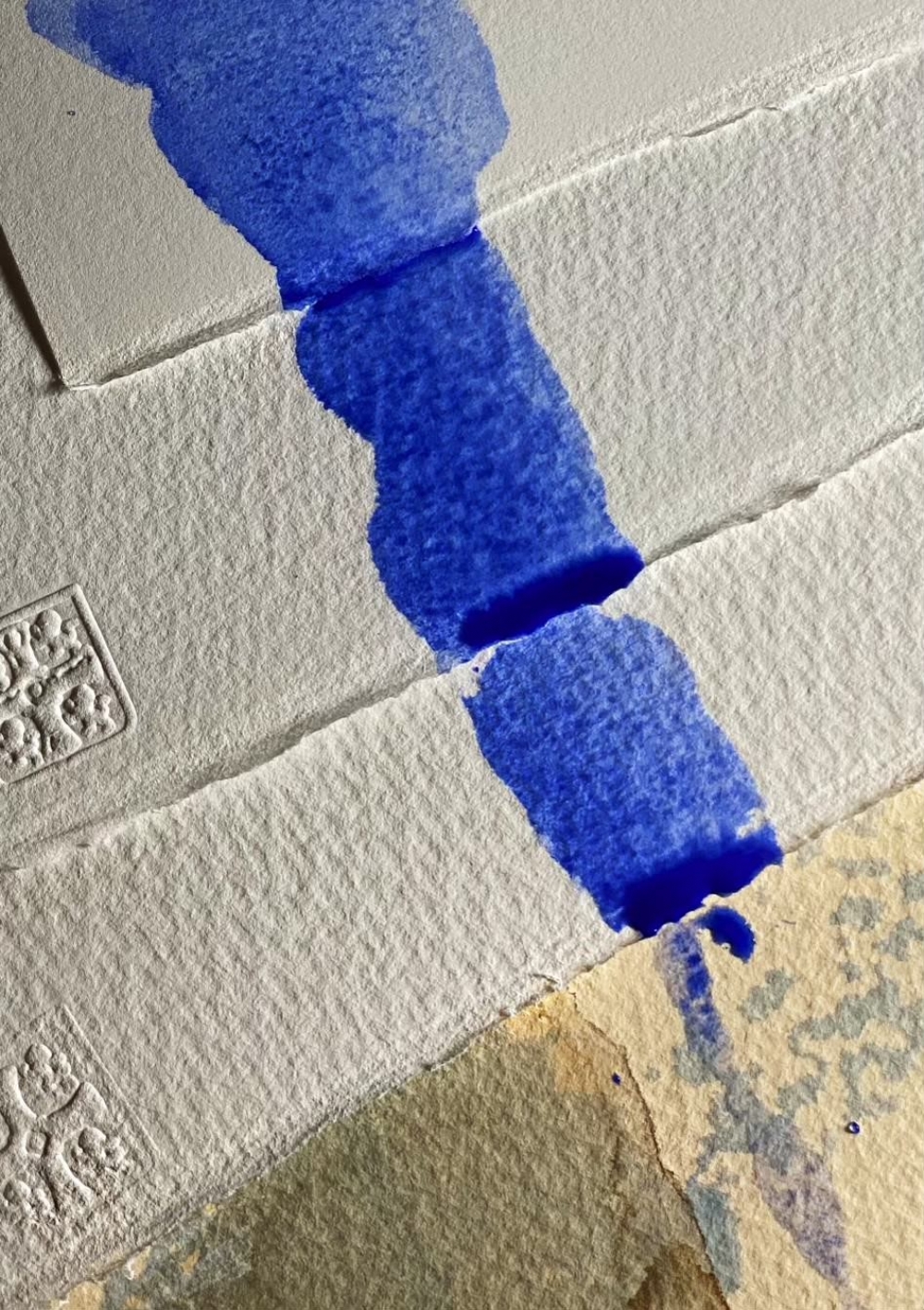
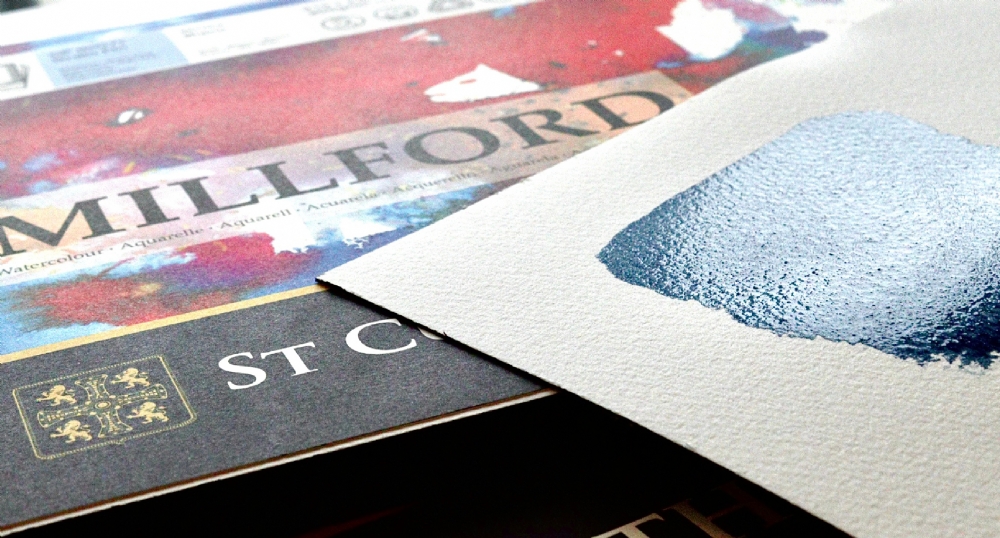
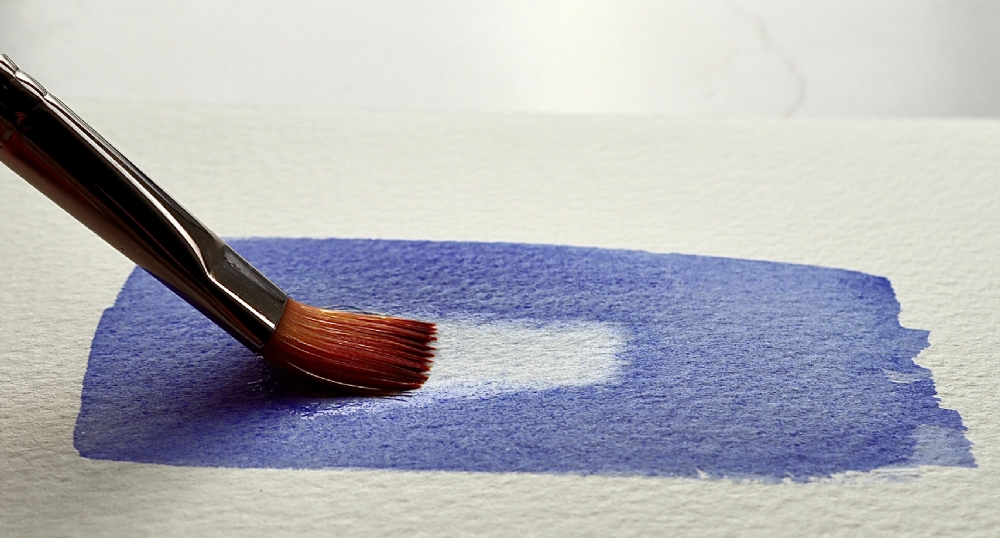
Watercolour relies on a paper that absorbs and dries water in a controlled way. Some papers remain wet for longer, allowing additional time to manipulate washes and blend colours. Millford is known for its lower absorbency and extended working time, making it particularly popular with painters who enjoy soft transitions and subtle colour blending.
Saunders Waterford® also offers a very generous working time, allowing pigments to move freely across the sheet.
By contrast, Bockingford® dries more quickly while still delivering excellent performance. Many artists appreciate this characteristic when working outdoors, teaching, or direct painting styles.
Surface stability
A paper that buckles and warps can make painting difficult. Mould made papers offer superior dimensional stability because the fibres are distributed more randomly throughout the sheet. This helps the paper remain flatter during painting and drying.
Saunders Waterford®, Bockingford® and Millford are mould made papers, combining excellent stability with the strength required for demanding watercolour techniques.
Understanding surface textures
Surface texture affects both the appearance of a painting and the way water and pigment behave on the sheet.
Cold Pressed (CP) surface
Cold Pressed paper, (often known as NOT in the UK), this is the most versatile watercolour surface. Its moderate texture provides a balance between control and pigment movement, making it suitable for landscapes, portraits, florals, urban sketching and general watercolour painting. For many artists, a 300gsm Cold Pressed paper is the ideal starting point.
Hot Pressed (HP) surface
Hot Pressed paper has a smooth surface that allows crisp edges, sharp detail and precise brushwork. It is often chosen for botanical illustration, portraiture, pen and wash techniques and urban sketching.
Rough surface
Rough papers have a pronounced texture that enhances the natural character of watercolour. Favoured by many landscape painters, the textured surface creates broken washes, emphasises granulation and introduces an expressive quality that is difficult to achieve on smoother papers.
Choosing the right weight
Paper weight is measured in gsm (grams per square metre). In simple terms, heavier papers can handle more water with less distortion. Pounds is measured by the weight of 500 sheets (usually in full size Imperial sheets).
300gsm (140lb)
The industry standard, 300gsm is suitable for most artists and techniques. It offers a good balance between strength, handling and value, and is available in sheets, pads and blocks.
425gsm (200lb) and heavier
Heavier papers offer greater stability and reduced buckling, particularly when using large washes or very wet techniques. Many professional artists favour heavier weights for large-scale paintings or when extensive reworking is anticipated.
| Weight | Best for |
| 300gsm (140lb) | Most artists and techniques |
| 425gsm (200lb) | Heavy washes |
| 535gsm (250lb) / 638gsm (300lb) | Extremely wet techniques and large paintings |
Consider your painting style
Different papers naturally lend themselves to different approaches.
- For loose landscapes and expressive painting, choose Rough or Cold Pressed surfaces.
- For botanical subjects, illustration and detailed work, choose Hot Pressed.
- If you are learning watercolour, a Cold Pressed 300gsm paper offers the greatest versatility.
- For outdoor sketching, consider a pad, block, sketchbook or spiral-bound format in either Cold Pressed or Hot Pressed surfaces.
White shade matters too
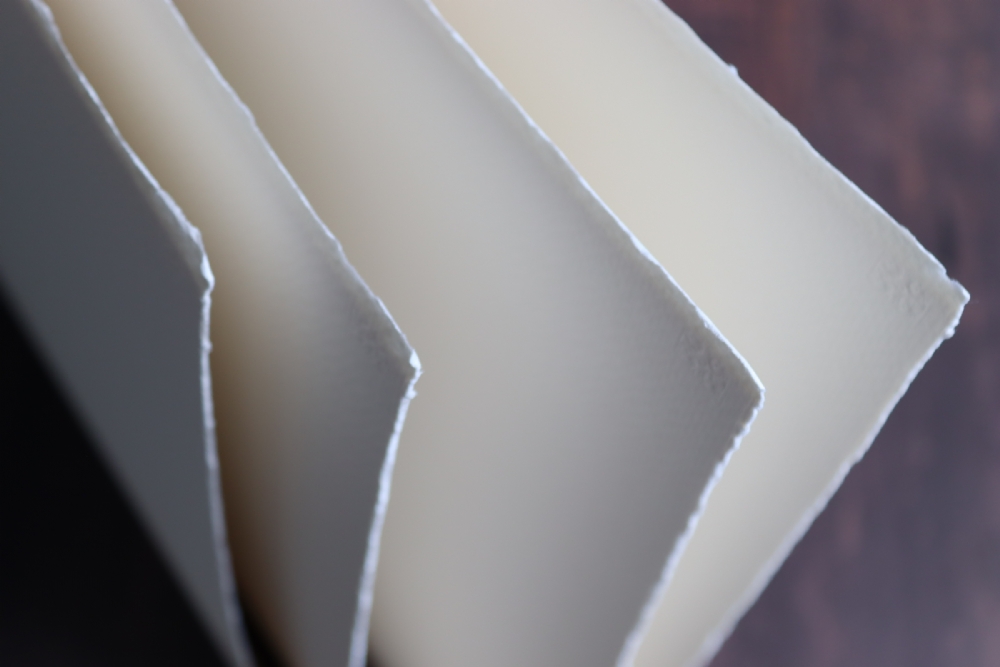
Paper shade plays an important role in the appearance of a finished painting. Brighter white papers tend to increase contrast and enhance colour vibrancy. More natural white shades can create a softer, traditional appearance.
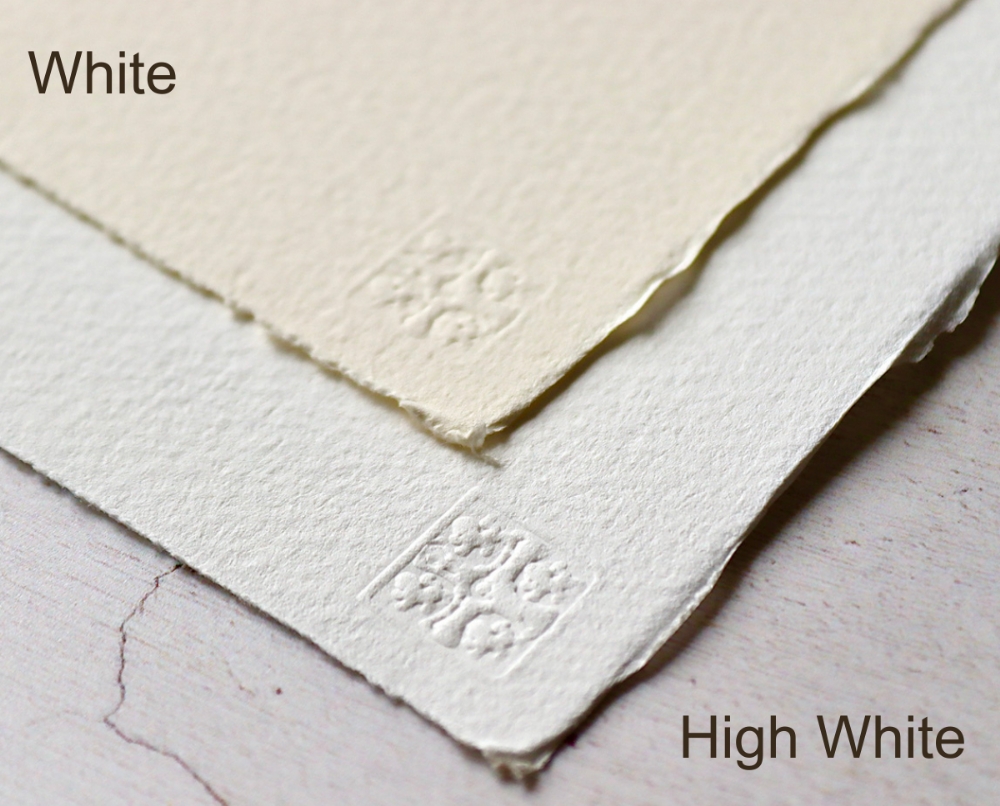
Saunders Waterford® is available in both White and High White. The White shade offers a slightly warmer base, while High White provides a cooler, brighter surface that can make colours appear particularly crisp and luminous.
Bockingford® and Millford also provide bright, clean surfaces that enhance colour clarity.
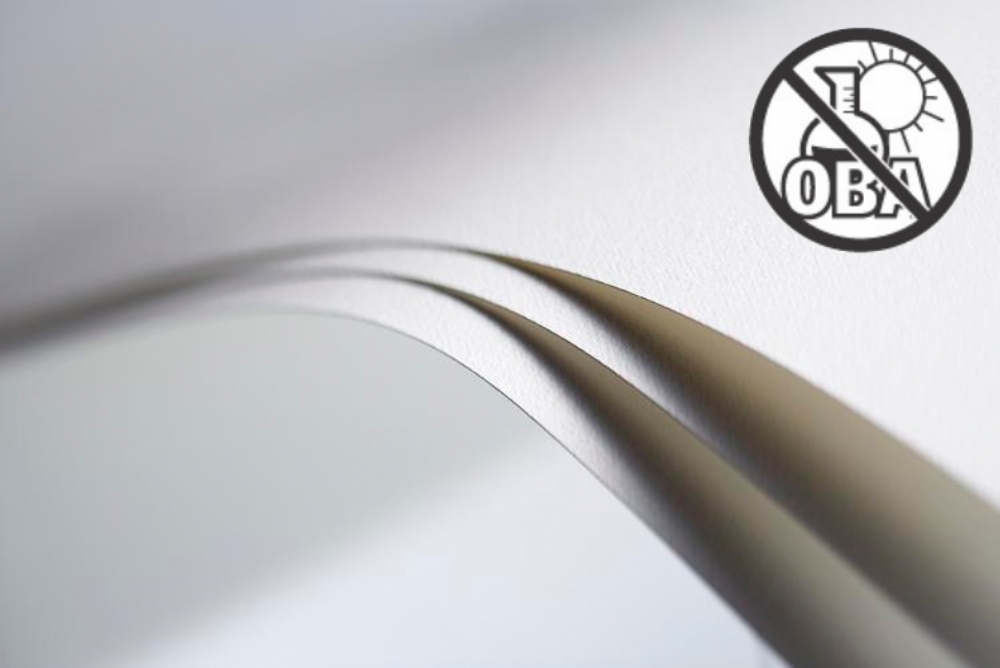
For maximum permanence, many artists choose papers that achieve their whiteness naturally rather than through optical brightening agents. Papers without OBAs are less prone to long-term colour change and maintain their appearance for longer.
Don't forget permanence
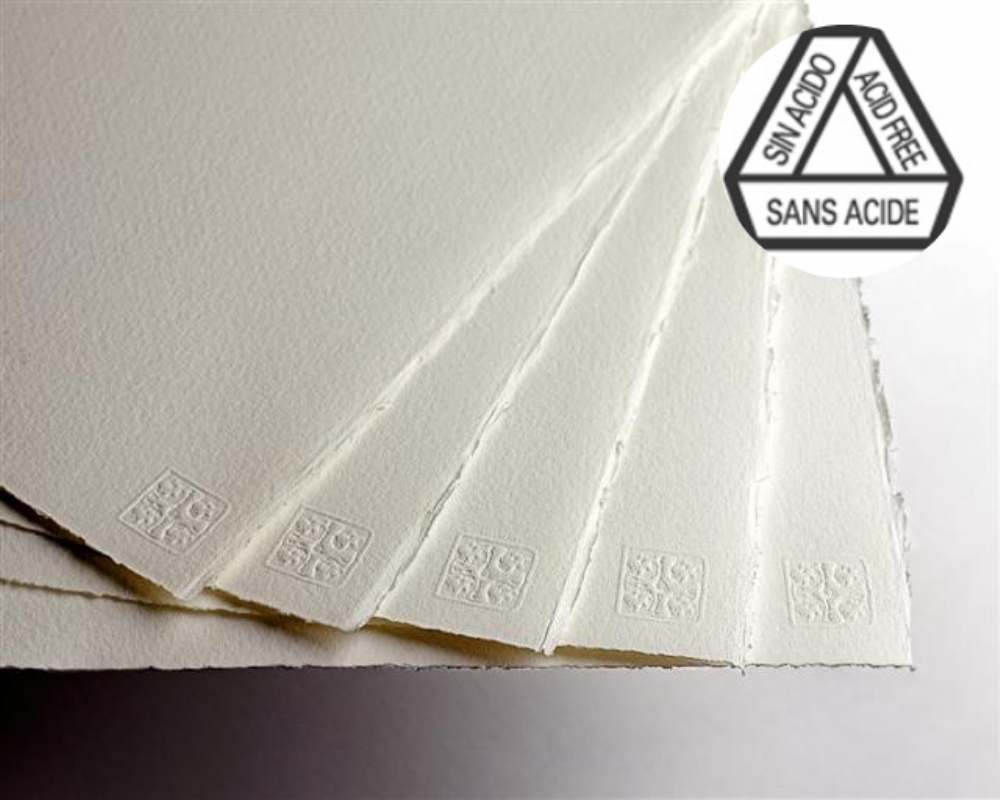
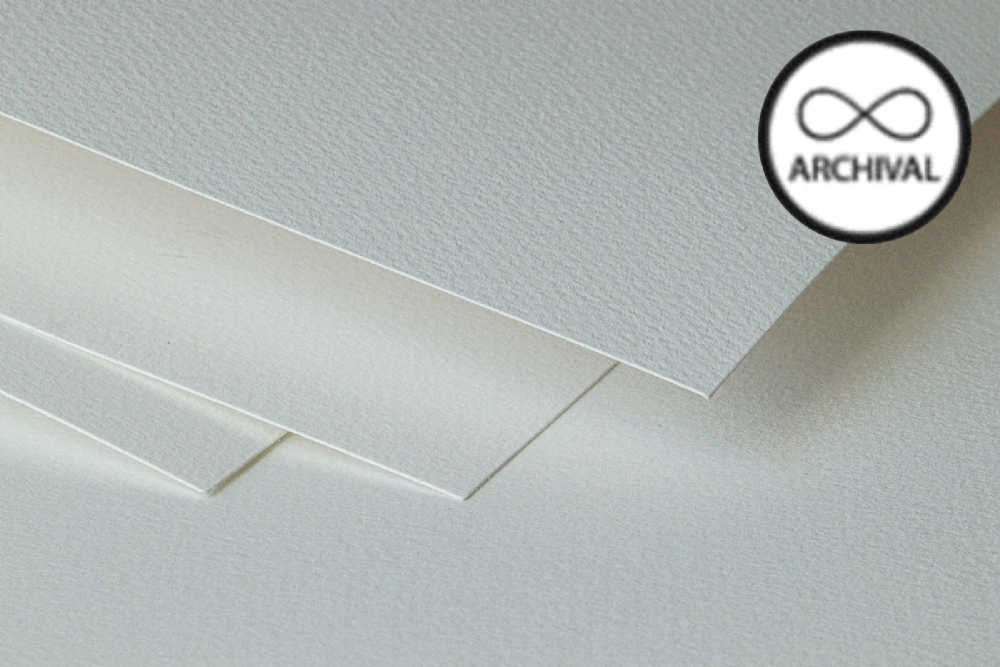
Artists often focus on the permanence of pigments but overlook the paper beneath them. A painting is only as durable as the surface it is painted on. Look for papers that are acid-free, archival quality and resistant to yellowing.
Professional papers such as Saunders Waterford®, Millford and Bockingford® combine long life fibres with archival manufacturing standards, helping artwork remain stable for generations.
Choosing the right format
Watercolour paper is available in a variety of formats, each suited to different ways of working.
- Full sheets are ideal for large-scale paintings and maximum flexibility.
- Half and quarter sheets offer convenient ready-to-use sizes.
- Blocks are glued on all four sides to help paintings dry flat.
- Gummed pads provide convenience and easy storage.
- Spiral pads keep work together and are particularly useful for travel and urban sketching.
- Sketchbooks create a visual diary of ideas, studies and finished work.
- Rolls provide complete freedom for panoramic compositions and extra-large paintings.
Quick guide: which watercolour paper should I choose?
| If you want… | Choose… |
| An all-round watercolour paper | Bockingford® CP 300gsm |
| Fine detail and illustration | HP surface |
| Texture and granulation | Rough surface |
| Maximum permformance | 100% cotton, mould made, archival paper |
| Outdoor sketching | Pad, block or sketchbook |
| Large wet washes | 425gsm weight or heavier paper |
| Colour lifting | Bockingford® or Millford |
| Less absorbency | Millford |
| Extreme strength | Saunders Waterford® |
| Masking fluid use | Saunders Waterford® and Bockingford® |
| Flatter paper | Mould Made paper |
| Warm tone paper | Saunders Waterford® White |
| Cool tone paper | Saunders Waterford® High White, Bockingford® and Millford |
| Animal-free ingredients | Millford and Bockingford® |
| No pilling or bobbling | Bockingford®, Saunders Waterford® or Millford |
| Extended drying time | Saunders Waterford® and Millford |
| Average drying time | Bockingford® |
| Value for money | Bockingford® |
| Colour blending | Saunders Waterford® and Millford |
| Colour vibrancy | Saunders Waterford® and Millford |
Final thought
The best watercolour paper is not necessarily the most expensive one. It is the paper that responds in the way you want it to. Understanding fibre, surface, weight and permanence provides a useful starting point, but experience remains the best guide. Try different papers, observe how they handle water and pigment, and pay attention to how they support your techniques.
Over time, many artists discover that choosing the right paper becomes just as important as choosing the right paint.
Further reading
Understanding the differences between St Cuthberts Mill’s Three Watercolour Papers
Best Watercolour Paper for Colour Lifting
Benefits of Using a Less Absorbent Watercolour Paper
How the Paper’s Shade Changes the Painting’s Mood
Why the Colour of your Watercolour Paper Changes Everything