St Cuthberts Mill Paper
Call or email:
+44 (0)1749 672015
sales@stcuthbertsmill.com
St Cuthberts Mill Paper
Watercolour
Printmaking
Digital Fine Art
|
|||
|


A Beginner's Guide to Watercolour Paper
Walk into any art shop and you'll find a bewildering choice of watercolour papers. Different surfaces, weights, formats and brands can make it difficult to know where to begin.
The good news is that choosing your first watercolour paper doesn't need to be complicated.
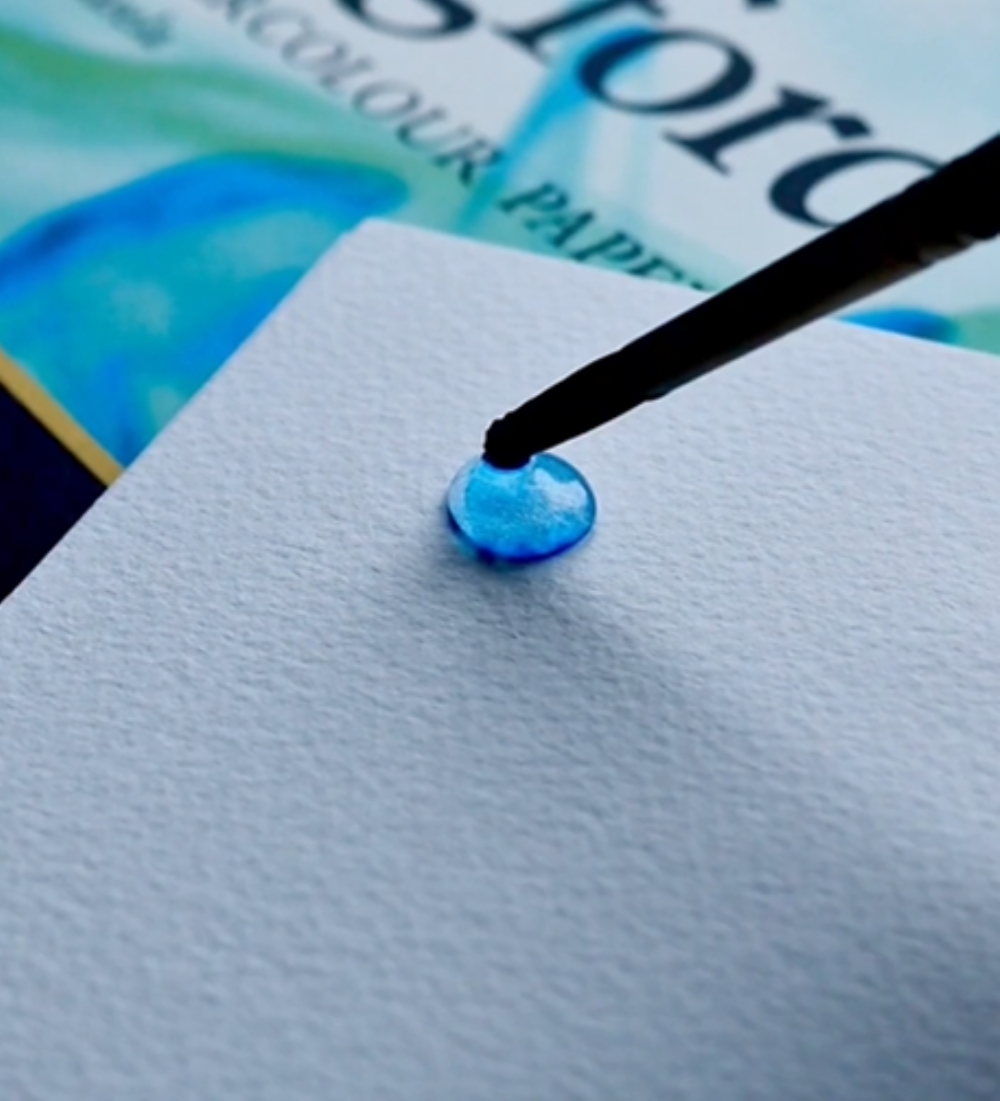
Many artists spend a great deal of time selecting paints and brushes, yet the paper often has the greatest influence on the finished result. Watercolour depends on the surface beneath it. The paper affects how colours flow, how washes dry and how easily techniques such as lifting and glazing can be achieved.
This is why experienced artists and tutors often recommend investing in the best paper you can comfortably afford. A quality paper helps you learn techniques properly and gives a more accurate understanding of how watercolour behaves.
Don't let cheap paper hold you back
When you're starting out, it can be tempting to buy the least expensive paper available. Unfortunately, this often creates problems that have nothing to do with your painting ability.
Budget papers can buckle heavily, colours may appear dull and repeated washes can damage the surface. Many beginners assume they are doing something wrong when, in reality, the paper is working against them.
A good-quality sheet allows you to focus on learning rather than battling the materials. Colours stay brighter, washes behave more predictably and mistakes can often be corrected more easily.
A useful rule is to buy the best paper you can comfortably afford, even if that means buying fewer sheets. Most artists learn more quickly on a quality surface than they do on a large quantity of poor paper.
Start with the surface
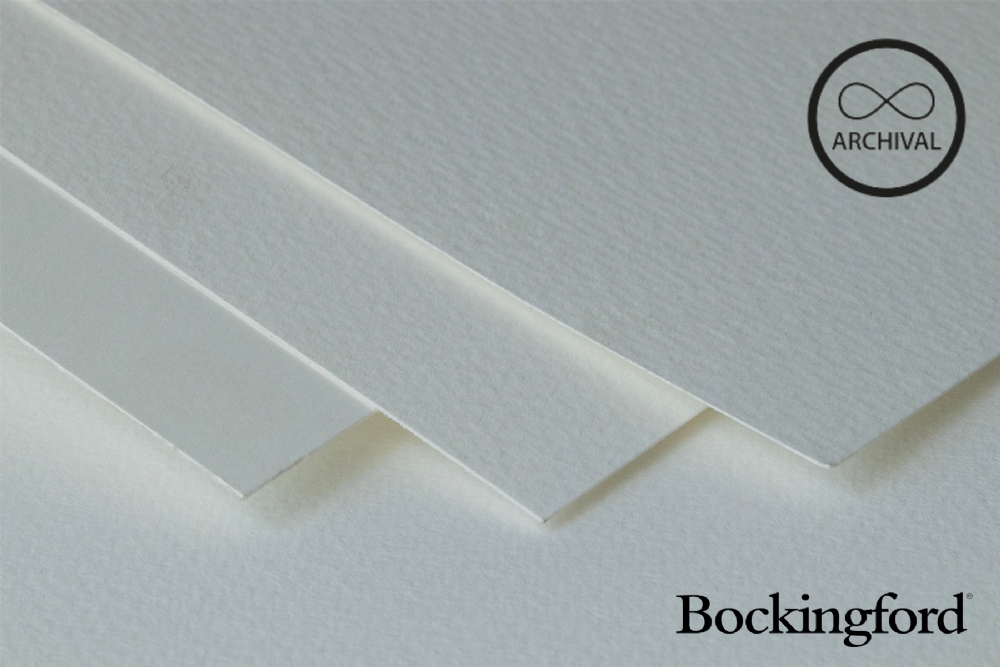
One of the first choices you'll encounter is the paper surface. Watercolour papers are usually available in three finishes.
Hot Pressed (HP)
Hot Pressed paper has a smooth surface with very little texture. It is popular for illustration, botanical painting and detailed work where crisp edges are important.
Cold Pressed (CP also called NOT)
Cold Pressed paper has a moderate texture and is the surface most commonly recommended for beginners. It offers a good balance between wash control and detail, making it suitable for almost any subject.
If you're unsure where to begin, CP is usually the safest choice. Many artists continue using it throughout their careers because of its versatility.
Rough
Rough paper has a more pronounced texture. Pigment settles into the surface in distinctive ways, creating lively washes and expressive effects. It is particularly popular for landscapes and atmospheric subjects.
For most beginners, however, CP remains the easiest and most forgiving place to start.
Understanding paper weight
Watercolour paper weight is measured in grams per square metre (gsm), or in lbs where 500 sheets in a 560x760mm size are weighed.
Lighter papers can buckle when large amounts of water are applied, while heavier papers remain flatter but are generally more expensive.
For most artists starting out, 300gsm (140lb) is the ideal choice. It offers an excellent balance between performance and value, handling a wide range of techniques without the need for excessive preparation.
There are heavier weights available, but 300gsm remains one of the most widely used options among both beginners and professionals.
Pads, blocks and loose sheets
Watercolour paper is available in several formats, and each has its advantages.
Pads and spiral pads are convenient, portable and ideal for practice, classes and painting outdoors. Blocks contain sheets glued on all four sides, helping to minimise buckling when working with wet washes.
Loose sheets offer the greatest flexibility and are often excellent value for money. Many artists buy full sheets and cut them down into smaller sizes for studies, sketches and finished paintings.
You may also hear artists talk about half sheets and quarter sheets. These are simply pieces cut from a full sheet of paper. Quarter sheets are particularly useful for beginners because they encourage experimentation and allow more paintings to be completed from a single purchase.
With quality papers, like those made at St Cuthberts Mill, artists also make use of both sides of a sheet when practising techniques, helping them get even more value from their paper. Cheaper papers don’t always offer this function.
Why mould made paper is worth considering
Not all watercolour papers are made in the same way.
Mould made papers are produced using traditional manufacturing methods that create a strong and consistent sheet. The fibres are distributed more evenly, giving the paper greater stability when wet and helping it withstand repeated washes, and stays flatter than standard papers, making it much easier to paint.
You'll often hear tutors recommend mould made paper because it allows colours to move naturally across the surface and stands up well to, reworking and correction.
For a beginner, this consistency is important. It allows techniques to behave as expected and makes it easier to understand the relationship between water, pigment and paper.
Why Bockingford® is an excellent starting point
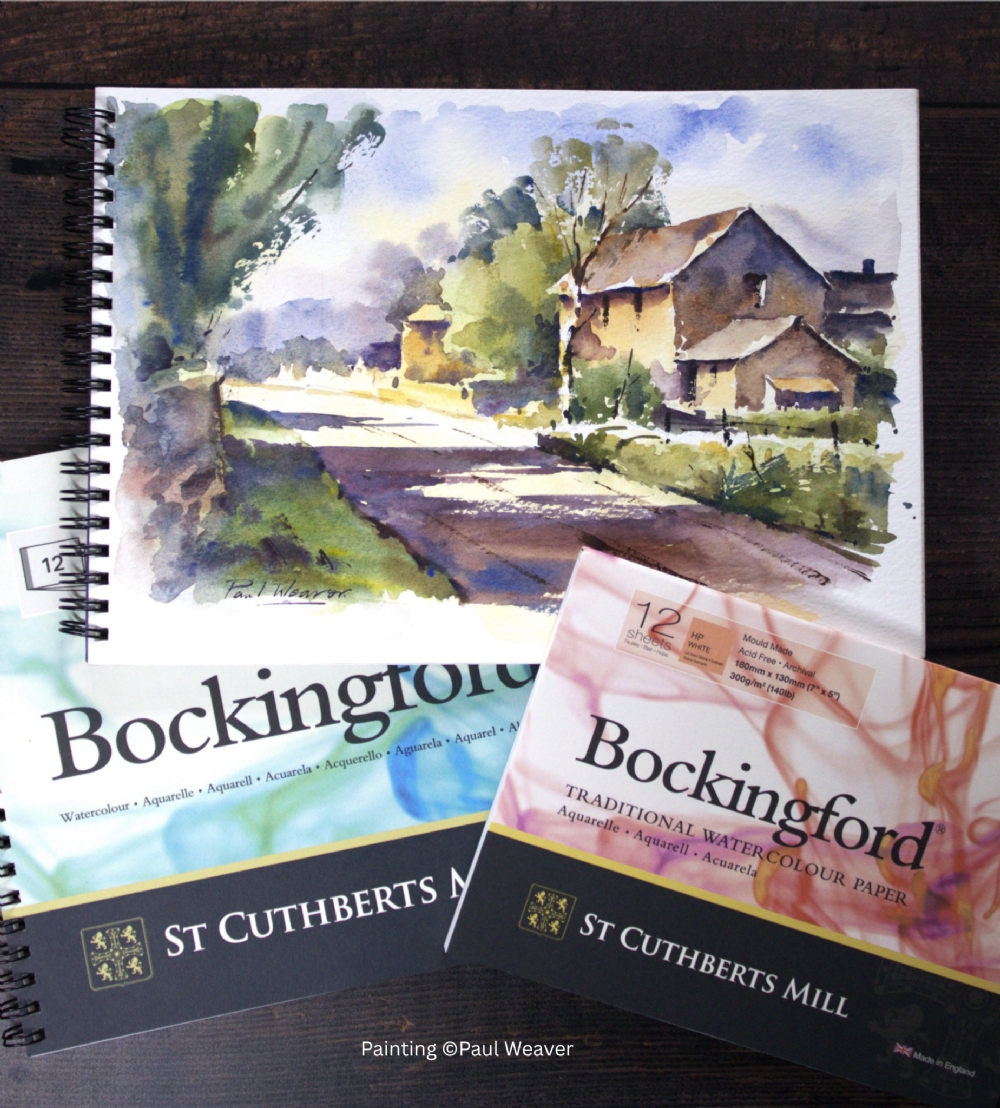
For artists looking for quality and value, Bockingford® is often one of the most sensible places to begin.
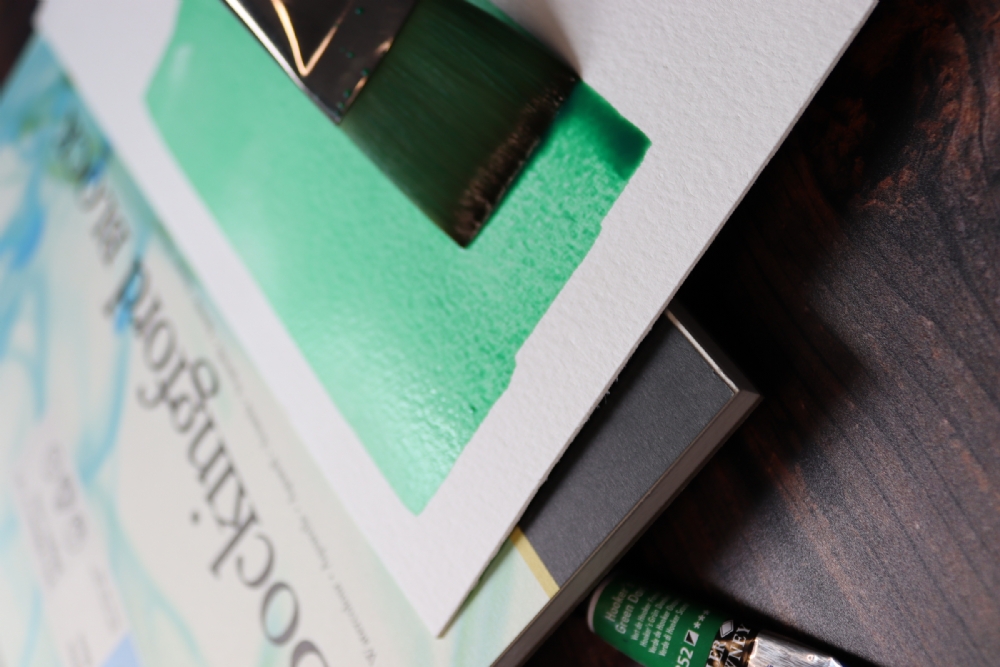
Made on a traditional cylinder mould machine at St Cuthberts Mill, Bockingford® has earned a reputation as a dependable and forgiving watercolour paper. Its surface allows colours to flow freely while remaining easy to control, and is superb at lifting techniques when adjustments are needed.
This forgiving nature is one reason why Bockingford® is widely used by students, tutors and experienced artists alike.
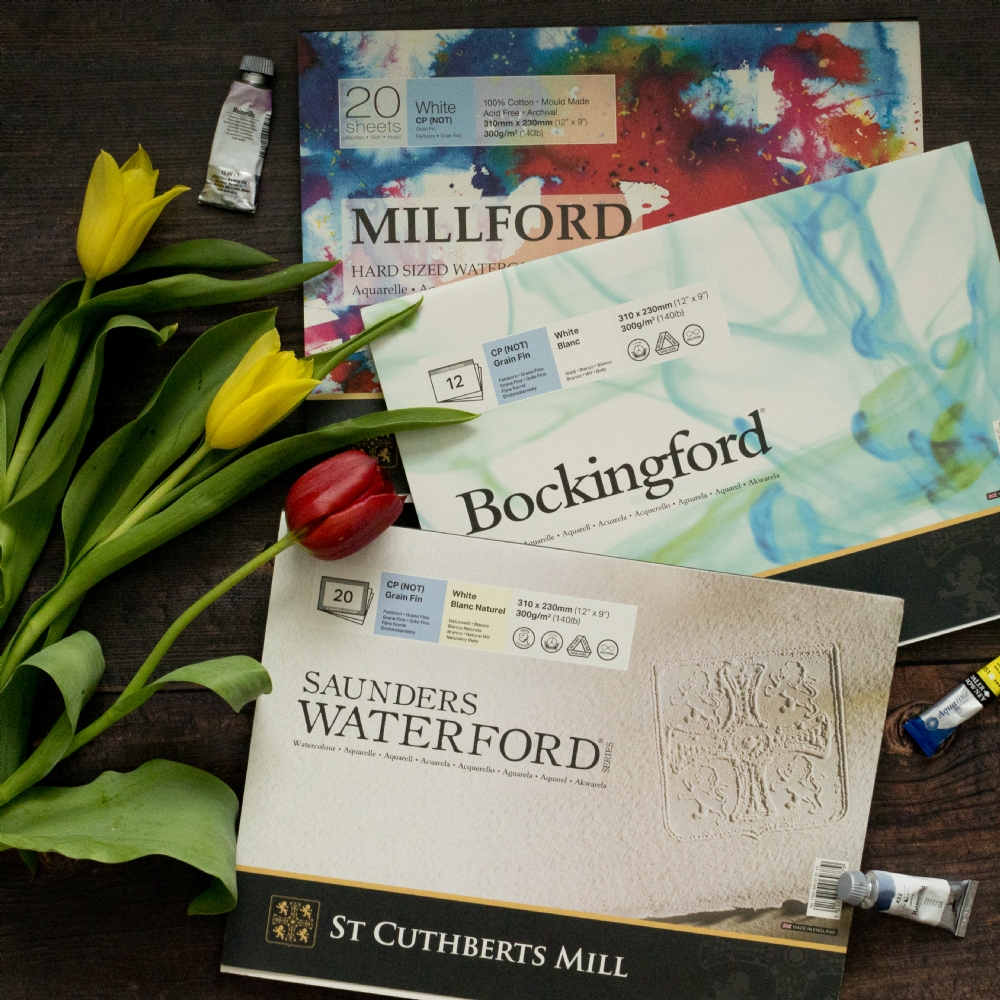
For those purchasing their first watercolour paper, Bockingford® CP 300gsm is particularly worth considering. The Cold Pressed surface is versatile enough for a wide range of subjects, while the 300gsm weight provides the durability needed for most watercolour techniques.
It offers many of the qualities artists look for in a professional paper while delivering excellent value for money.
Listen to your tutor
If you're attending classes, workshops or following online demonstrations, pay attention to the materials recommended by your tutor.
Experienced watercolour artists have spent years testing papers and understanding how they perform. Their recommendations are often based on seeing hundreds of students encounter the same challenges.
Using the type of paper your tutor recommends can make demonstrations easier to follow and help you achieve results that more closely match what you are being shown.
Keeping it simple
If you're standing in an art shop wondering where to begin, keep the decision simple.
Choose a quality mould made paper from a trusted manufacturer. Start with a Cold Pressed surface and a weight of around 300gsm. Buy the best paper you can comfortably afford and spend time learning how water and pigment behave on the sheet.
Many artists find that a paper such as Bockingford® gives them everything they need to learn, experiment and progress. Good watercolour paper makes learning easier. It allows washes to flow properly, colours to remain bright and techniques to behave as intended. That's why experienced artists rarely compromise on paper quality.
Further reading
Understanding the differences between St Cuthberts Mill’s Three Watercolour Papers
Best Watercolour Paper for Colour Lifting
Benefits of Using a Less Absorbent Watercolour Paper
How the Paper’s Shade Changes the Painting’s Mood
Why the Colour of your Watercolour Paper Changes Everything